
Essential Furnace Maintenance Tips: Expert Advice for Effective Furnace Care
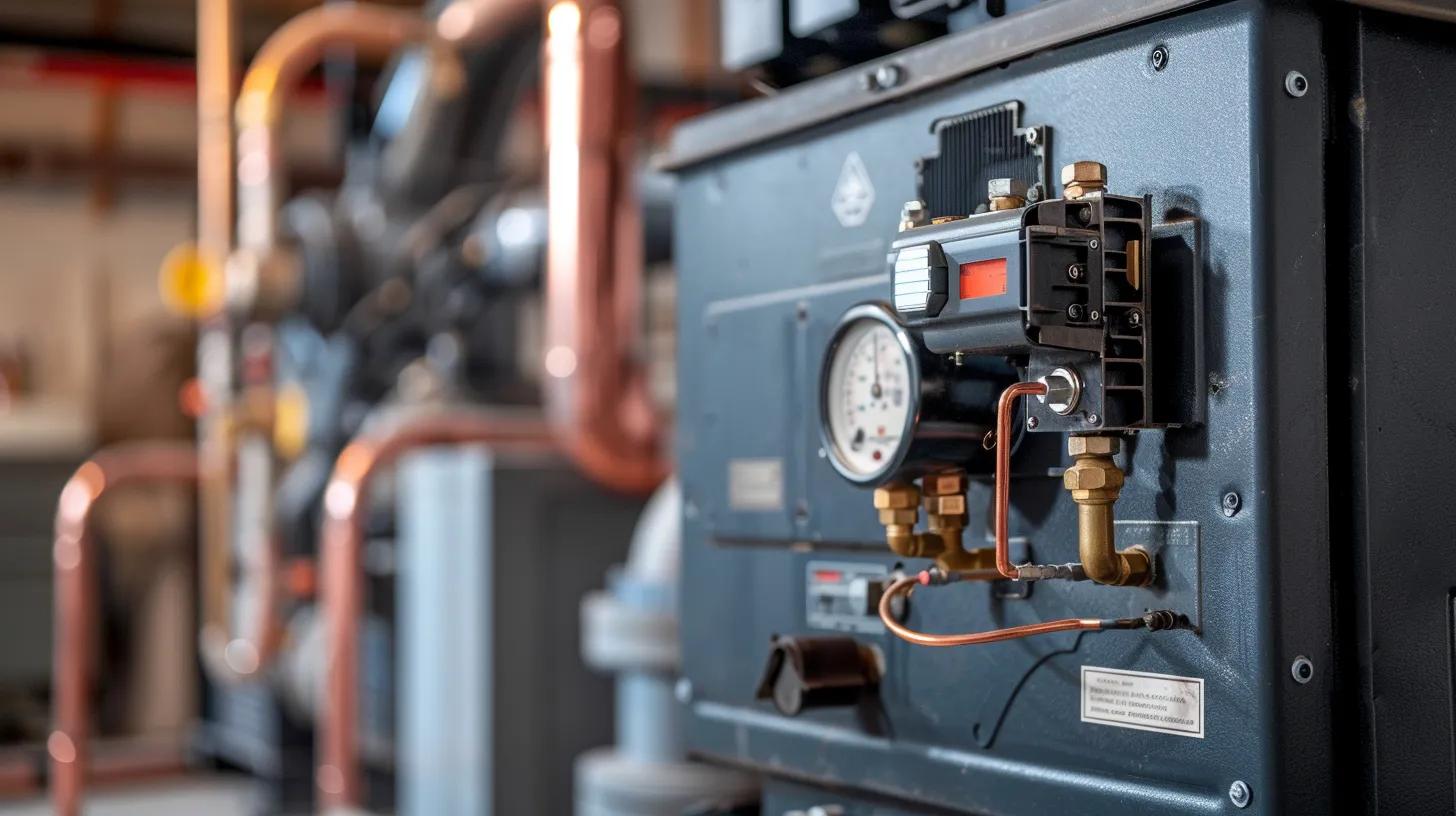
When winter temperatures drop, nothing matters more than a reliable furnaceto keep your home comfortable and safe. Regular furnace maintenance tipsnot only enhance performance but also prevent unexpected breakdowns and reduce energycosts. This comprehensive guide covers the key steps for effective furnacecare, offering professionalinsights into essential furnaceservicing practices that protect your comfort and investment year after year.
Service Frequency & Warranty Compliance
Optimal furnaceperformance requires annual professional inspections(early fall) and monthly/seasonal homeowner checks. Proactive tune-ups prevent stress, reduce emergency repairs, and maintain warranty. Professionals inspect combustionsafety, heat exchanger, gas lines, and cleanburners, providing a report. Homeowners perform monthly filterchecks, vent inspections, and CO detector tests, plus seasonal furnacearea cleaning and thermostatchecks. Documented annual professionalservicing is often required for full warranty; keep all servicerecords.
Comprehensive Furnace Maintenance Tips
A comprehensive furnace maintenance checklistcovers filters, burners, flamesensors, blower motor, thermostat, ducts, and safety devices, prioritizing safety and efficiency. The workflow starts with safe shutdown, moving from intake to combustioncomponents, then controls and safety systems.
Powerand Gas Safety Check: Turn off power, confirm gas valvestatus.
Air FilterInspection/Replacement: Check/replacefilters for proper airflow.
Visual CombustionComponent Inspection: Inspect burners, flamesensor, and heat exchangerfor damage.
Blower and Motor Cleaning/Lubrication: Cleanblower assembly and lubricate bearings
ThermostatCalibrationand Control Check: Verify accurate temperature control/schedules.
The table below summarizes recommended frequencies and tools for each maintenanceitem:
Component
Recommended Frequency
Tools / Supplies
Air filter
Monthly to quarterly
Replacement filters, gloves
Flamesensor
Annually or if ignition issues
Soft cloth, emery cloth, screwdriver
Burners
Annually (cleaning)
Compressed air, soft brush, vacuum
Blower motor
Annually, more if dusty
Vacuum, soft brush, light oil(if applicable)
Thermostat
Annually (calibration)
Small screwdriver, multimeter
Vents/registers
Seasonal
Vacuum, brush, damp cloth
Carbon monoxide detector
Monthly tests, battery replaceyearly
New batteries, detector test kit
DIY Furnace Maintenance Tips & Safety
Many essential furnace servicingare homeowner-feasible, but respect safety boundaries (gas/complex electrical work). DIY actions include filterreplacement, basic blower cleaning, vent clearing, flamesensorcleaning, battery checks, and visual inspections. Use a compact toolkit (multimeter, flashlight, vacuum, screwdrivers, filters) and essential PPE. Always shut off powerand, if appropriate, gas supply. If gas smell suspected, evacuate and call emergency services. Avoid loose clothing near moving parts.
When to Call a Professional
Stop DIY work and call a licensed HVAC technicianfor suspected gas leaks, cracked heatexchangers, persistent ignition failures, complex electrical faults, or major disassembly. Safety-critical issues like yellow flames, CO alarms, or visible heat exchangerdamage require immediate professionalintervention. If basic troubleshootingfails, a technician has diagnostic tools with furnace maintenancetips. Prioritize safety and expertise.
Brand
SEER2 Rating Range
Warranty Coverage
Key Strength
Lennox
14–23
10-year limited
High-efficiency models
Carrier
13–22
10-year parts
Quiet operation
Trane
14–22
10-year limited
Robust durability
Rheem
13–20
10-year parts
Value-oriented solutions
American Standard
14–24
10-year limited
Precise comfort control
Benefits of Regular Effective Furnace Care
Effective furnace care provide energysavings, reduced breakdown risk, extended lifespan, and improved indoor air quality/safety. Cleaner combustion, calibration, and unobstructed airflowreduce fuelconsumption and emissions, while early wear detection prevents failures. These benefits mean lower utility bills, fewer emergency repairs, and a safer home.
Benefit Category
Metric / Attribute
Typical Estimated Value
Energyefficiency
Reduced fuel/electric use
5–30% savings range
Repairfrequency
Fewer emergency repairs
Noticeable decrease in servicecalls
Lifespan extension
Additional operational years
2–7 years typical extension
Indoor air quality
Particle reduction via filters
Significant reduction depending on filterMERV
Safety
Reduced CO and combustionrisk
Lower likelihood of hazardous events
Maintenanceimproves energyefficiencyby restoring proper combustion, enhancing heattransfer, and preventing airflowrestrictions. It mitigates wear mechanisms (motor overheating, bearing wear, corrosion), extending furnaceservicelife. Regular servicing ensures filters/ducts remove particulates and complete combustion, enhancing indoor air qualityand safety. Environmentally, it reduces fuelconsumption and greenhouse gas emissions.
Troubleshooting Common Problems
Troubleshootingfollows a symptom → cause → fix format, guiding safe homeowner interventions and identifying when to call a technician. This prioritizes simple checks (thermostat, power, filter), then ignition and airflow, before professionaldiagnosis. Common symptoms include no heat, strange noises, and a yellow pilot light.
No Heat:Often stems from thermostatissues, powerinterruptions, ignition failures, or airflowrestrictions. Checkthermostatsettings/batteries, powerswitch/breaker, and replacedirty filters. If ignition fails, inspect igniter/pilot assembly and flamesensor. Persistent issues, gas problems, or gas odors require immediate essential furnaceservicing.
Yellow Pilot Light:Yellow/orange pilot flameindicates incomplete combustionand carbon monoxiderisks (proper flameis blue). Safely shut down, ventilate, and test CO detectors. Persistent yellow flames suggest burner blockage, improper air-fuelmixture, or a cracked heat exchanger—all needing professionalinspection. Never operate with incomplete combustionsigns.
Repair vs. Replacement:Depends on furnaceage, repaircost relative to replacement, efficiencygains, and safety (e.g., heat exchangerintegrity). Repairsexceeding ~50% of replacement cost for older systems (15-20 years) often justify replacement. Safety-critical issues like a cracked heat exchangermandate replacement.
Professional Services & Smart Technologies
Professionals offer effective furnacecare in-depth inspections, diagnostic testing, and corrective actions beyond DIY tasks, utilizing specialized tools and training. Standard tune-ups include combustionanalysis, heat exchangerinspection, component adjustment/lubrication, and safety systemverification. Costsvary by region and scope, but regular furnace maintenance tips are generally less costly than emergency repairs.
This DIY vs. pro decision table helps homeowners decide whether to attempt a task or call a technician:
ServiceItem
DIY Feasible?
Typical Cost Range
When to Call a Pro
Filterchange
Yes
$0–$50 (filteronly)
N/A
Flamesensorcleaning
Yes
Minimal (DIY)
If ignition issues persist
Burner cleaning
Sometimes
$100–$300 (pro)
If soot/corrosionpresent
Heat exchangerinspection
No
$150–$500+
Always call pro for cracks
Electrical/control board repair
No
$200–$800+
Call a licensed technician
Call a licensed HVAC technicianimmediately for gas leaks, CO alarm triggers, visible heat exchangerdamage, major electrical faults, or unsafe combustion. Smart thermostats and modern furnacecontrols enhance maintenancewith remote diagnostics, runtime data, and reminders, detecting inefficiencies earlier. They log error codes and operating patterns, helping technicianspinpoint faults. Advanced components often require specialized knowledge and calibration, emphasizing trained technicians.
Seasonal Furnace Preparation
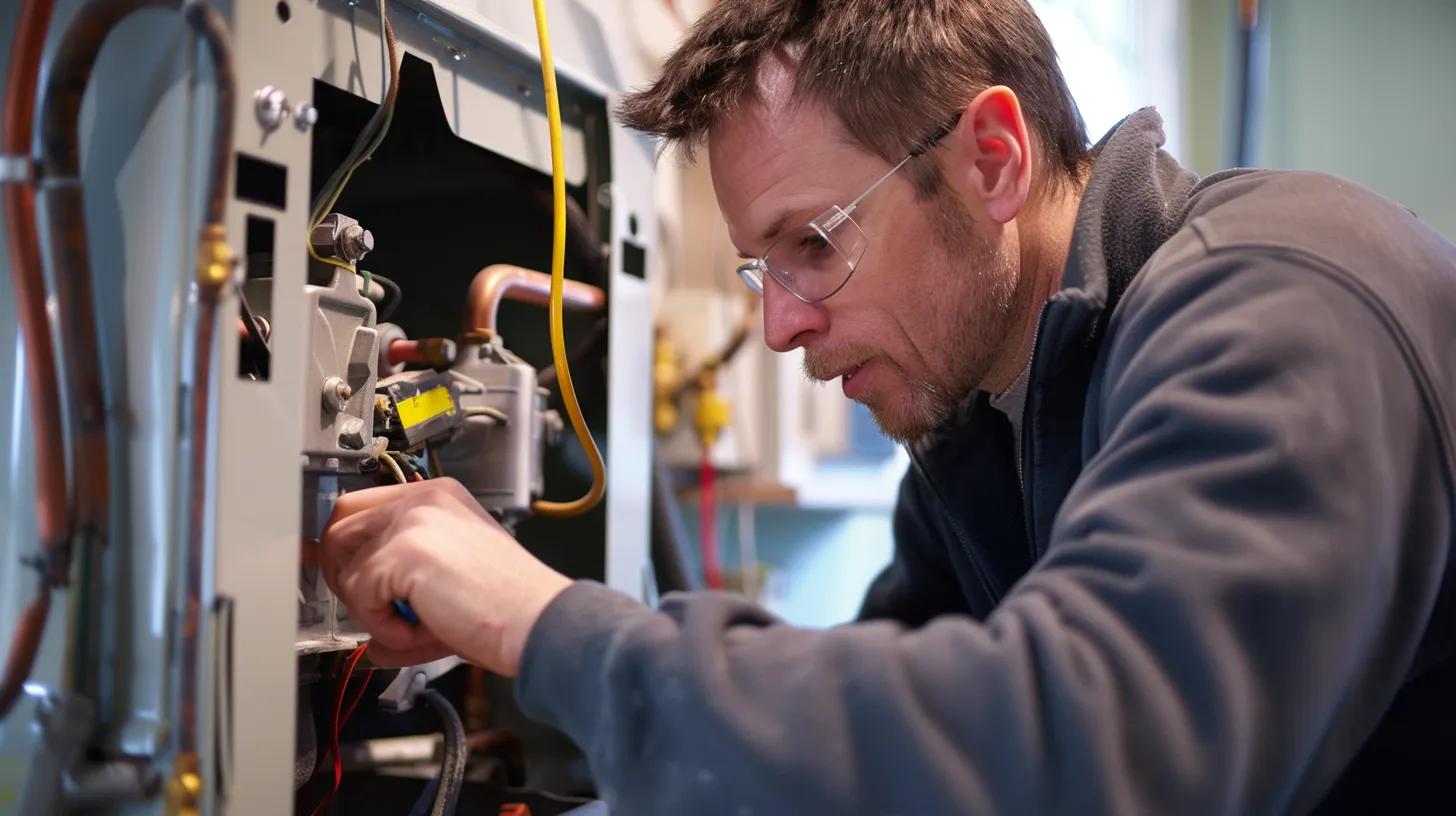
Seasonal preparation involves pre-winter checks to prevent failures, post-winter inspections for wear, and climate-specific adjustments. Pre-season work emphasizes safety/efficiency: filterchanges, CO detector checks, thermostatprogramming, and professionaltune-ups. Post-season work identifies/addresses moisture-related corrosion, condensate clogs, or heavy runtime wear. Pre-Winter:Schedule effective furnacecare in early fall, replace/inspect filters, test CO detectors, and checkthermostatprogramming/batteries. Clear the furnacearea of combustibles, verify open vents/registers, and confirm exterior venting clearance. These proactive checks prepare the systemfor sustained operation.
Post-Winter:Checkfor moisture-related corrosion, condensate/drain line blockages, and debris. Inspect fluecomponents for rust, cleancondensate traps/lines, and vacuum dustin the blower compartment. Addressing these issues in spring prevents accelerated wear. If moisture damage or corrosionappears, schedule professionalevaluation.
Importance & Customization:Seasonal maintenanceis crucial as winter runtime stresses components. Pre-season checks reduce safety-critical failures and CO risk, preserving efficiency. Customize frequency based on local climate: cold climates need earlier/more frequent inspections; dusty/dry regions need more frequent filterreplacement/blower cleaning. Humid areas require vigilance for corrosion/moisture.
How Maintenance Enhances Indoor Air Quality and Safety
Effective furnacecare directly impacts the air your family breathes. Cleanfilters and ducts trap allergens and dust, while proper combustionminimizes harmful byproducts. Techniciansalso verify limit switches and safety devices during each inspection.
This combination of furnace maintenancetips and professionaloversight ensures a healthier, safer home, especially important for families with children or elderly members.
Conclusion
Investing in regularfurnace maintenancetipsensures lasting comfort, safety, and energysavings. Combining your own effective furnacecare routines with annual professionaltune-ups forms a complete maintenancestrategy.
By prioritizing essential furnaceservicing, you’ll extend your equipment’s life, lower utility costs, and create a healthier indoor environment, season after season. Trust in essential furnace servicing today to enjoy a warmer, safer home tomorrow.
Top 5 FAQs About Furnace Maintenance
1. How often should I replace my furnace filter?
Checkmonthly and replaceevery 1–3 months, depending on filtertype and indoor air quality.
2. Can I perform furnace maintenance myself?
Yes, basic tasks like filterchanges and vent cleaning are DIY-safe. Leave gas and electrical work to professionals.
3. What’s included in a professional furnace tune-up?
Inspection, cleaning, lubrication, combustiontesting, and safety checks to ensure optimal operation.
4. How does maintenance affect energy efficiency?
Clean, tuned furnacesuse less fueland operate more efficiently, lowering utility costs.
5. What are the signs I need professional furnace repair?
Unusual noises, poor heating, yellow flames, frequent cycling, or gas odors indicate it’s time to call an expert.
We use cookies to ensure that we give you the best experience on our website. If you continue to use this site we will assume that you are happy with it.
boiler, window, plumbing, thermostat, heat, pump, warranty, fuel, refrigerant, furnace, air handler, heat pump, duct, electricity, heating system, water, air pollution, central heating, hydronics, water heating, air filter, smart thermostat, electric heating, radiator, air purifier, climate, indoor air quality, heat exchanger, humidity, carbon dioxide, dehumidifier, information, carbon, humidifier, natural gas, home automation, building science, radiant heating and cooling, ventilation, coefficient of performance, air conditioners, air systems, carrier, loading, furnaces, electric, cool air, air conditioning systems, air conditioners heat, heating systems, hvac systems, heating and cooling, home comfort, indoor air, air conditioning air, heating, hvac repair near me, hvac service near me, hvac companies near me, hvac service, hvac maintenance near me, hvac companies, hvac contractors near me, emergency hvac near me, commercial hvac companies near me, airflow, ground source heat pump, design, flue, greenhouse gas, ceiling, greenhouse gas emissions, rebate, fireplace, combustion, compressor, variable refrigerant flow, climate change, fossil fuel, underfloor heating, inflation reduction act, dust, passive house, wire, home improvement, fan, technology, renewable energy, hvac, liquid, building insulation, programmable thermostat, pollution, circulator pump, energy, smoke, oil, infrastructure, evaporative cooler, sustainable energy, convection heater, oxygen, electrification, speed, fan heater, passive cooling, heat pumps gas, cooling systems, service, air quality, cop, systems, heat pumps, hybrid hvac, quality, efficiency, air conditioning units, support customer service, buildings, explore, air, heat pump systems, view, dyson pure hot cool, health, accessibility, technician, customer, maintenance, heating service, gas furnace repair, installation, air conditioner repair, boise hvac, hvac repair, hvac company, equipment, hvac services, air conditioning repair, repair air conditioning, quality heating, air conditioning installation, hvac and plumbing, request service, treasure valley, crawl space, pricing, ventilator, leak, emergency service, expert, customer satisfaction, fee, repair, owner, hvac system, services, system, star service, air conditioning unit, skip to content, credit approval, water heater, air conditioner, schedule, knowledge, hvac boise, idaho
Frequently Asked Questions
What are common heating system repairs needed in Boise winters?
Common heating system repairs needed in Boise winters include fixing faulty thermostats, repairing or replacing furnaces, addressing blower motor issues, and resolving problems with ductwork that cause heat loss. Regular maintenance can help prevent these issues.
Can I get same-day heating repair services in Boise?
Same-day heating repair services are available in Boise. Boise Valley Heating & Air is committed to providing prompt service to ensure your home stays comfortable, regardless of the time of day.
Do HVAC companies in Boise offer financing options?
Many HVAC companies in Boise do offer financing options to help customers manage costs for installation, repairs, and maintenance services. It's best to inquire directly with the company for specific financing plans available.
How to find a reliable HVAC company in Boise?
Finding a reliable HVAC company in Boise involves researching options based on customer reviews, checking for proper licensing and certifications, and ensuring they offer 24/7 service and free estimates for transparency and trustworthiness.
How often should I replace my HVAC system in Boise?
The recommended replacement frequency for HVAC systems in Boise is typically every 10 to 15 years, depending on usage, maintenance, and efficiency. Regular inspections can help determine if an earlier replacement is necessary.
Can I schedule HVAC maintenance in Boise online?
You can schedule HVAC maintenance in Boise online. Just visit our website to easily request an appointment and manage your HVAC service needs at your convenience.
What are reviews of Boise heating repair companies online?
Reviews of Boise heating repair companies online vary, showcasing customer experiences and ratings. Many users praise the quality of service, promptness, and professionalism, while others may highlight specific challenges. Overall, they offer valuable insights for choosing reliable providers.
Who offers emergency HVAC services in Boise, ID?
Emergency HVAC services in Boise, ID, are offered by Boise Valley Heating & Air, a trusted provider known for their 24/7 service availability and commitment to quality customer care.
Who offers emergency heating repair services in Boise, Idaho?
Emergency heating repair services in Boise, Idaho, are offered by Boise Valley Heating & Air, known for their reliable 24/7 availability and expert technicians ready to address any heating issues promptly.
What are common signs of heating system failure in Boise homes?
Common signs of heating system failure in Boise homes include unusual noises, inconsistent heating, high energy bills, and frequent cycling on and off. If you notice these issues, it's essential to seek professional HVAC assistance promptly.
How much does average heating repair cost in Boise, ID?
The average cost of heating repair in Boise, ID, typically ranges from $150 to $500, depending on the complexity of the issue and the specific repairs needed. Factors such as the age of the system and parts required can also influence the final price.
Are HVAC contractors in Boise licensed and insured?
HVAC contractors in Boise are required to be licensed and insured to ensure they meet state regulations and provide quality service. This protects both the contractors and their clients from potential liabilities.
Can I get a free estimate for HVAC installation in Boise?
You can receive a free estimate for HVAC installation in Boise. Boise Valley Heating & Air is dedicated to providing transparent quotes and personalized service to meet your needs.
What are the symptoms of a failing heating system?
The symptoms of a failing heating system include inconsistent temperatures, unusual noises, frequent shut-offs, and increased energy bills. If you notice any of these signs, it's important to seek professional HVAC assistance.
How can I maintain my heating system effectively?
Effective maintenance of your heating system involves regular inspections, recurring filter changes, and scheduling annual professional tune-ups to ensure optimal performance and efficiency.
What is the typical lifespan of HVAC systems?
The typical lifespan of HVAC systems is around 15 to 20 years, depending on maintenance, usage, and system type. Regular maintenance can extend their lifespan, ensuring optimal performance throughout their operational years.
What should I do during a heating emergency?
During a heating emergency, it is important to quickly check your thermostat settings, ensure power to your system, and look for any visible signs of issues. If the problem persists, contact Boise Valley Heating & Air immediately for prompt assistance.
How to choose the right HVAC contractor in Boise?
Choosing the right HVAC contractor in Boise involves researching their credentials, reading customer reviews, and seeking estimates. Ensure they are licensed, insured, and offer a warranty on their services to guarantee quality workmanship.
What are energy-efficient heating options for homes?
Energy-efficient heating options for homes include programmable thermostats, high-efficiency furnaces, heat pumps, and radiant floor heating. These systems reduce energy consumption, lower utility bills, and enhance comfort while minimizing environmental impact.
How often should I inspect my heating system?
Regular inspections of your heating system are essential for optimal performance. It's recommended to have your heating system inspected at least once a year, ideally before the winter season starts, to ensure efficiency and safety.
What are the benefits of regular HVAC maintenance?
The benefits of regular HVAC maintenance include improved energy efficiency, prolonged equipment lifespan, reduced repair costs, and enhanced indoor air quality. Regular maintenance ensures your system operates optimally, helping you save money in the long run.
How can I improve indoor air quality with HVAC?
Improving indoor air quality with HVAC involves regularly changing air filters, ensuring proper ventilation, and scheduling routine maintenance. Consider using air purifiers and dehumidifiers for enhanced filtration and moisture control, promoting a healthier indoor environment.
What are the latest heating technologies available?
The latest heating technologies available include high-efficiency furnaces, smart thermostats, and heat pumps. These advancements enhance energy efficiency, reduce utility costs, and allow for better temperature control in your home.
How does weather affect heating system performance?
Weather significantly impacts heating system performance. Colder temperatures force systems to work harder to maintain indoor comfort, potentially leading to increased energy consumption and wear. Proper maintenance ensures efficiency, especially during extreme weather conditions.
What signs indicate I need heating repair services?
Signs that indicate you need heating repair services include unusual noises from the unit, insufficient heat, frequent cycling on and off, or an increase in heating bills. If you notice any of these issues, it's time to contact a professional.
Can I perform DIY heating system maintenance safely?
Performing DIY heating system maintenance can be safe if you follow proper guidelines. However, for complex tasks or if you're uncertain, it's best to consult a professional to ensure safety and efficiency.
What are the costs of heating replacements in Boise?
The costs of heating replacements in Boise vary based on system type, size, and installation complexity, typically ranging from $3,000 to $7,500. For an accurate estimate, it's best to consult with a local HVAC professional.
Which brands offer the best heating systems?
The brands that offer the best heating systems include renowned names like Trane, Carrier, Lennox, and Goodman, known for their reliability, efficiency, and advanced technology tailored to meet diverse heating needs.
How do I maximize efficiency in heating systems?
Maximizing efficiency in heating systems involves regular maintenance, such as changing filters, servicing the system annually, sealing duct leaks, and using programmable thermostats to optimize temperature control and reduce energy consumption.
What financing plans are available for HVAC services?
The financing plans available for HVAC services include flexible payment options and financing through reputable lenders, ensuring you can afford essential repairs or installations without financial strain. Contact us to explore the best plan for your needs.
furnace repair boise id, hvac boise, boise hvac companies, hvac company boise, heating repair boise, heating and cooling boise, hvac repair boise, hvac service boise, boise heating and air