
The Ultimate Furnace Maintenance Checklist for Optimal Home Comfort and Energy Efficiency
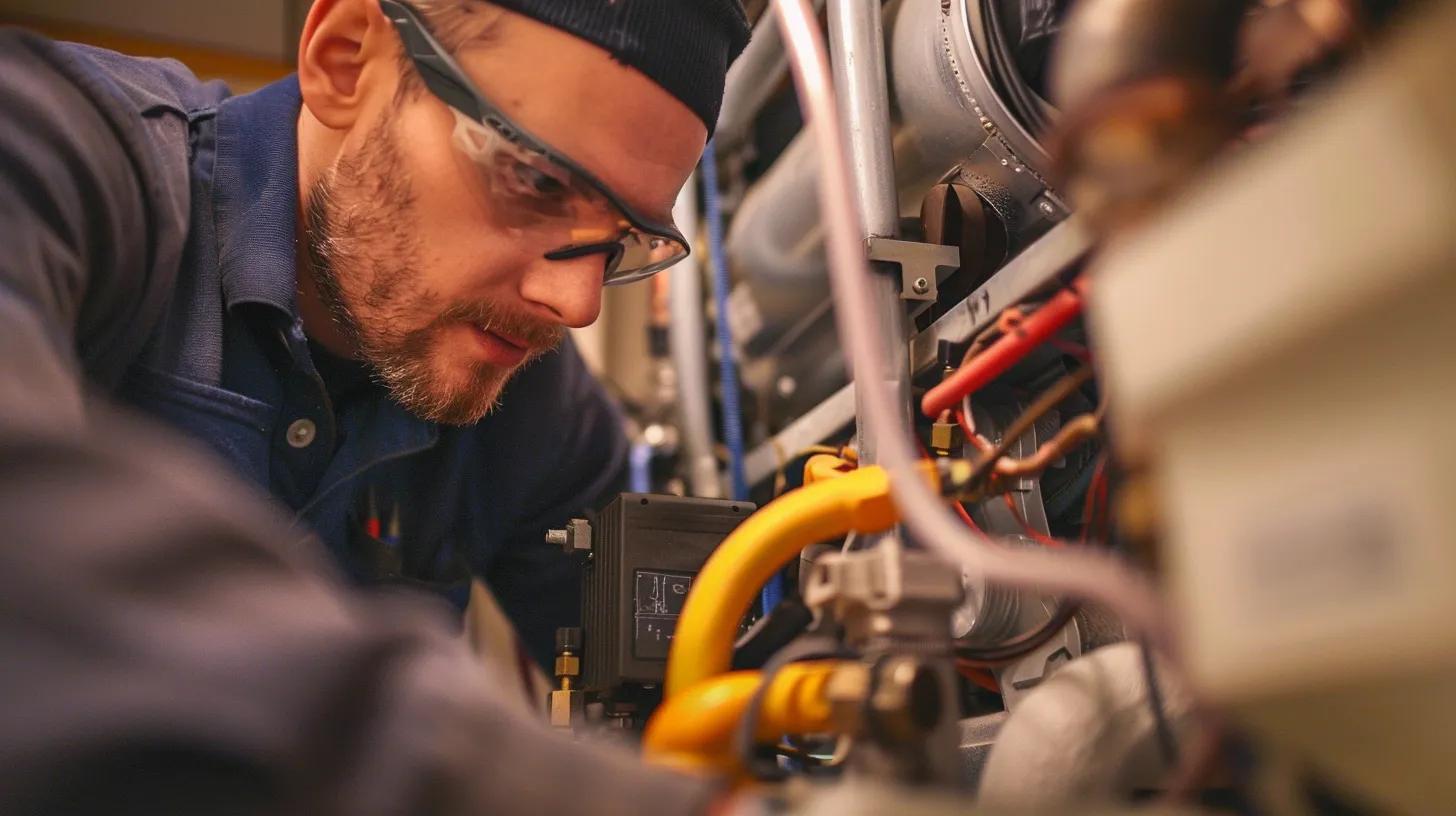
Furnace maintenance checklist involves routine inspection, cleaning, and testing to ensure your heating system runs safely, reliably, and efficiently. Regular attention prevents failures, lowers costs, and maintains comfort. This article provides a practical checklist of monthly-to-annual tasks for homeowners, explains professional tune-ups, and offers tips for improving furnace efficiency and safety. We’ll cover why maintenance matters, DIY steps, professional inspections, furnace efficiency checklist upgrades, and safe troubleshooting, integrating key concepts like MERV-rated filters, duct sealing, and carbon monoxide detector best practices for a dependable heating system.
Why Is Regular Furnace Maintenance Essential for Home Comfort and Safety?
Regular maintenance is crucial for preserving performance, safety, and indoor air quality. It improves combustion efficiency, maintains airflow, and reduces unnecessary cycling, directly lowering fuel use and operating costs. Furnace Maintenance Checklist also extends equipment lifespan and reduces safety risks like carbon monoxide leaks and electrical faults.
How Does Furnace Maintenance Improve Energy Efficiency and Reduce Costs?
What Are the Safety Risks of Neglecting Furnace Maintenance?
Neglecting maintenance creates safety hazards like carbon monoxide (CO) exposure from cracked heat exchangers, gas leaks, and fire risk. Watch for unusual odors, yellow flames, headaches, or soot. Gas odors require immediate evacuation and emergency services. Test CO detectors monthly and replace batteries annually. Proactive maintenance prevents failures and guides when to call a technician.
What Are the Key DIY Furnace Maintenance Checklist Every Homeowner Should Follow?
Homeowners can perform several DIY tasks to maintain furnaces between professional visits, improving comfort and safety. Basic furnace maintenance checklist like filter inspection, thermostat calibration, and area clearance prevent common issues. We’ll cover filter replacement, thermostat checks, and clearance best practices.
How to Inspect and Replace Your Furnace Air Filter for Optimal Performance?
Inspect and replace your furnace air filter monthly (heavy use) or every 1-3 months (moderate use). Locate the filter slot, remove, and check for dirt. A dirty filter restricts airflow, making the blower work harder. Choose a filter size and MERV rating that balances filtration and airflow. Proper filter management improves air quality and efficiency.
Filter Type | Typical MERV Range | Typical Lifespan | Airflow Impact | Typical Cost |
|---|---|---|---|---|
Fiberglass disposable | 1–4 | 1 month | Low restriction | Low |
Pleated synthetic | 5–8 | 1–3 months | Moderate | Moderate |
High-MERV pleated | 9–13 | 3–6 months | Higher restriction | Higher |
Pleated filters balance filtration, airflow, and cost. Select the lowest MERV rating that meets your filtration needs without restricting airflow.
How Do You Check and Calibrate Your Thermostat for Efficient Heating?
Verify your thermostat‘s temperature reading against a room thermometer; recalibrate if needed. Program setback schedules for energy savings during unoccupied hours. For smart thermostats, enable learning or geofencing. Correct configuration reduces runtime and maximizes by furnace efficiency checklist.
Why Is Clearing the Area Around Your Furnace and Vents Important?
Keep the area around your furnace and vents clear to preserve airflow, support combustion, and ensure safe service access. Clutter creates fire risk. Maintain several feet of clearance and avoid storing flammable materials nearby. Regularly inspect and vacuum vents. This supports both safety and improve furnace efficiency.
How to Test and Maintain Carbon Monoxide Detectors for Furnace Safety?
Test carbon monoxide detectors monthly, replace batteries annually, and units every 5-7 years. Place detectors on each level, near sleeping areas, and near the furnace. If an alarm sounds, evacuate immediately and call emergency services. Consistent maintenance provides early warning of combustion problems.
What Does a Professional Annual Furnace Efficiency Checklist Include?
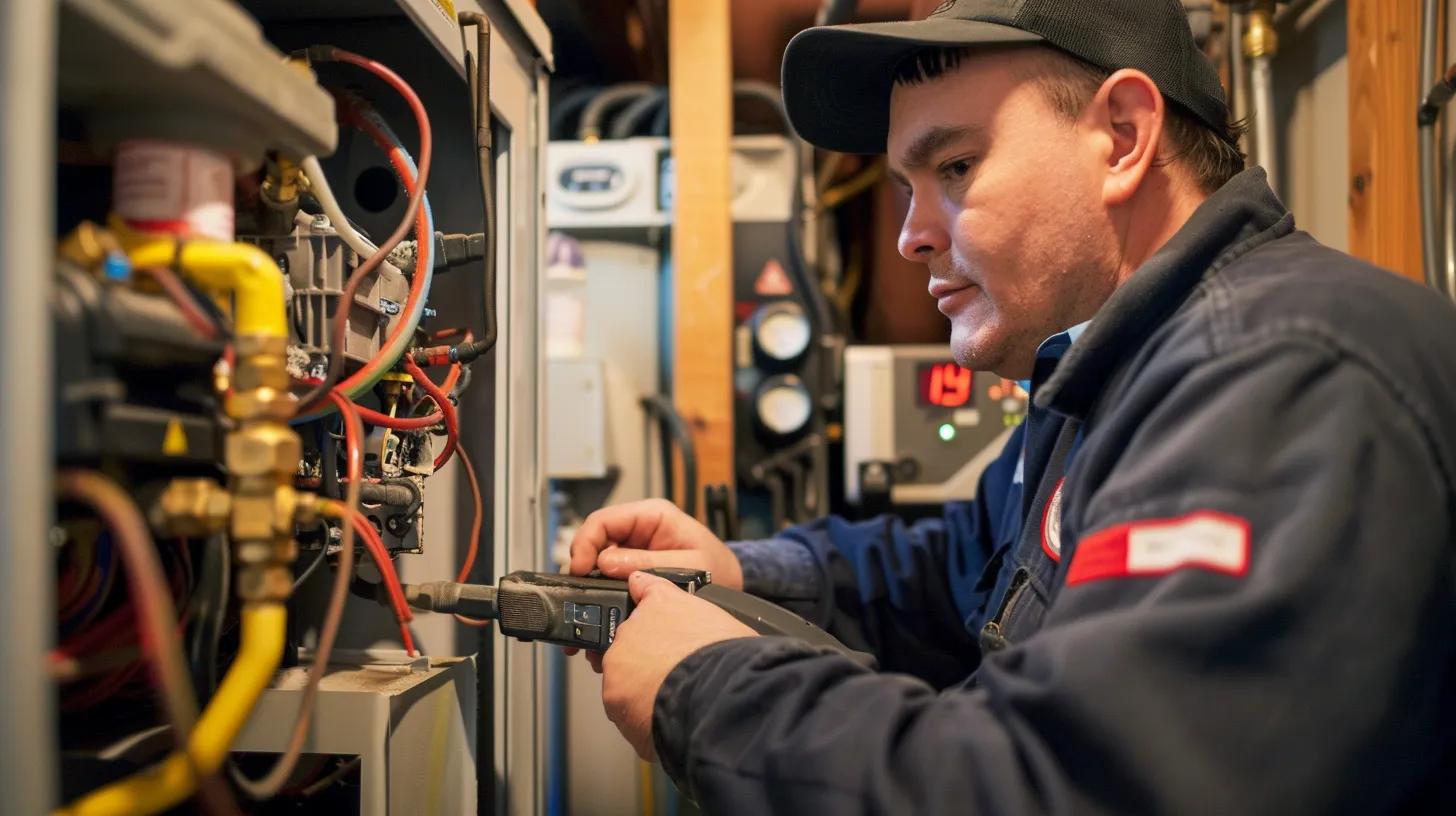
A professional annual furnace tune-up by a certified HVAC technician verifies combustion safety, cleans critical parts, and optimizes performance. This service reduces failure risk and maintains warranty compliance. Technicians perform diagnostic tests like combustion analysis, gas pressure checks, electrical safety inspections, and mechanical cleaning to restore performance. This proactive care is invaluable.
Component | Inspection/Service Action | Outcome / Reason |
|---|---|---|
Heat exchanger | Visual inspection for cracks; pressure/leak checks | Prevents CO leaks; ensures safe combustion |
Burners/combustion chamber | Clean and adjust flame pattern | Improves combustion efficiency and reduces soot |
Blower motor & fan | Clean, lubricate, check belt/tension | Restores airflow and reduces energy use |
Gas valve & pressure | Measure and adjust gas pressure | Ensures correct fuel delivery and safe operation |
Electrical controls & safety switches | Tighten connections, test safeties | Prevents electrical faults and nuisance lockouts |
Which Furnace Components Does a Certified Technician Inspect?
Technicians inspect the heat exchanger for cracks, analyze combustion, clean burners, and verify venting. They service the blower assembly (cleaning, lubricating, testing) for optimal airflow. Electrical connections, controls, and safety switches are tested, and gas pressure adjusted. These checks prevent safety incidents and restore efficiency.
What Are the Benefits of Scheduling a Professional Furnace Inspection?
Annual professional inspections prevent mid-winter breakdowns, maintain fuel efficiency, and ensure warranty compliance. Early issue detection prevents costly repairs and hazards. Professionals can also recommend upgrades like improved filtration or duct sealing for ongoing savings. This layered approach maximizes system reliability and cost-effectiveness.
How Can You Boost Your Furnace Efficiency Year-Round?
Boost furnace efficiency year-round with targeted upgrades and building-envelope improvements. Smart thermostats, duct sealing, and insulation offer cumulative savings. Prioritize sealing ducts, improving insulation, and weatherproofing to reduce heat escape, then add smart thermostats to optimize runtime.
Upgrade | Attribute | Benefit / Estimated Impact |
|---|---|---|
Smart thermostat | Features: geofencing, learning | 5–15% heating energy savings via better scheduling |
Duct sealing | Method: mastic, tape, aerosol | Up to 10–30% improved delivered heat in leaky systems |
Insulation upgrade | Attribute: higher R-value | Reduces heat loss; lowers runtime by variable % by climate |
Weatherproofing | Measures: weatherstripping, caulking | Low-cost reduction in drafts; improves comfort and efficiency |
How Do Smart Thermostats Optimize Your Heating Schedule and Save Energy?
Why Is Duct Sealing and Home Insulation Critical for Heat Retention?
What Weatherproofing Tips Help Reduce Heat Escape in Your Home?
What Are Common Furnace Problems and How Can You Troubleshoot Them?
What Causes a Furnace to Produce No Heat and How Can You Fix It?
How to Identify and Resolve Strange Furnace Noises?
What Are Pilot Light Issues and When Should You Call a Professional?
How Should You Prepare Your Furnace for Seasonal Changes?
What Are the Essential Fall and Spring Furnace Maintenance Checklist Tasks?