
How to Choose the Best Furnace Repair Company Near Me: A Homeowner’s Guide
A broken furnace impacts comfort, safety, and energy costs. This guide provides homeowners with practical steps to find licensed, reliable, and affordable HVAC contractors. You’ll learn to vet local furnace repair companies, understand typical best furnace repair company near me costs, spot scams, and set expectations for warranties and post-repair service. We’ll cover verifying credentials, comparing estimates, identifying emergency symptoms, and asking the right questions to ensure a reliable HVAC contractor.
Key Criteria for Selecting a Licensed Best Furnace Repair Company Near Me
Selecting the best furnace repair company near me begins with essential credentials: an active state license, liability insurance, and relevant certifications. These protect homeowners by ensuring legal compliance and financial coverage. Verifying these items also leads to faster diagnosis and higher repair quality.
- Check for an active state HVAC license and proof of liability insurance.
- Confirm professional certifications relevant to heating systems, demonstrating technical competence.
- Require clear, itemized written estimates, visible identification for technicians, and a written service agreement.
How Do I Verify HVAC Contractor Licenses and Certifications?
To verify licenses, search your state licensing board using the contractor’s license number and business name. Confirm it’s active and has no disciplinary actions. Ask technicians for specific certifications and request documentation; credentials like NATE or EPA indicate specialized training. Cross-check license details against review platforms and request references to uncover inconsistencies.
Credential | Issuer / Scope | How to Verify |
|---|---|---|
State HVAC License | State licensing board — authorizes HVAC work in the state | Request license number; check board database for active status and disciplinary history |
EPA Section 608 (if applicable) | Federal certification for refrigerant handling | Ask the the technician for the card; ensure type matches equipment needs |
Industry Certification (e.g., NATE) | Demonstrates technician-level knowledge and testing proficiency | Request certificate or verification number; confirm with certifying body records |
Why is experience and Reputation Important When Choosing a Best Furnace Repair Company Near Me?
Experienced technicians diagnose faster, avoid unnecessary part replacements, and understand model-specific issues, reducing total repair costs. Reputation, built on consistent positive reviews and complaint resolution, indicates reliable post-repair service and warranty support. Check multiple platforms for recent reviews, note patterns, and ask for local references. A company that responds professionally to negative feedback is a positive sign.
How Can I Understand and Compare Local Furnace Repair Companies Costs and Estimates?
Understanding best furnace repair company near me costs involves breaking down quotes into diagnostic fees, parts, and labor. This reveals price drivers like part brand, labor rates, emergency surcharges, and regional variations. A clear estimate itemizes each component and specifies if replacement parts are OEM or aftermarket, affecting longevity and warranty.
Repair Task | Typical Cost Range (USD) | Factors that Affect Price |
|---|---|---|
Igniter or pilot assembly | $150–$400 | Part model, access, diagnostic fee, vintage equipment |
Blower motor replacement | $300–$900 | Motor type, labor time, compatibility, efficiency rating |
Heat exchanger inspection/repair | $200–$1,200+ | Severity of damage, need for replacement, CO testing |
Thermostat replacement | $100–$400 | Smart vs. basic models, wiring complexity, calibration |
- Require itemized written estimates that list diagnostic fees, parts, labor, and expected warranties.
- Ask for part options (OEM vs. aftermarket) and the specific brand or part number to confirm quality.
- Set clear approval thresholds for additional work to avoid automatic upsells during service.
What Are the Average Furnace Repair Costs and What Affects Pricing?
Average furnace repair costs vary by task, influenced by labor rates, part availability, and whether service is scheduled or emergency. Diagnostic fees typically range from $75 to $150, often credited to authorized repairs. Labor rates vary by region ($75-$150/hour). Part quality (OEM vs. aftermarket) affects cost and reliability, with older or specialty equipment potentially increasing prices due to harder-to-source components.
How Do I Avoid Hidden Fees and Upselling When Getting Furnace Repair Quotes?
Insist on a written estimate defining the scope of work, parts with prices, and labor rates; refuse verbal-only quotes. Require technician approval before any work beyond the original scope and written documentation of additional issues. Recognize common upsell tactics like pressure to replace parts without diagnostic evidence. If a replacement seems unnecessary, ask for photos, test results, or a second opinion.
When Should I Call for Emergency Furnace Repair Service Near Me?
Emergency local furnace repair companies are defined by safety risks or loss of heat during extreme weather, demanding immediate professional response. Choose furnace repair service for emergency prioritizes life-safety actions, shutting off fuel, ventilating spaces, and isolating hazards, then rapid diagnosis and temporary stabilization.
- If you smell gas, evacuate, avoid switching electrical devices, and call emergency services if gas accumulation is suspected.
- If a carbon monoxide alarm sounds, evacuate immediately and seek emergency response; do not re-enter until cleared by professionals.
- If there is visible smoke, flame, or severe overheating, shut off fuel if safely possible and call emergency services.
What Qualifies as a Furnace Repair Emergency?
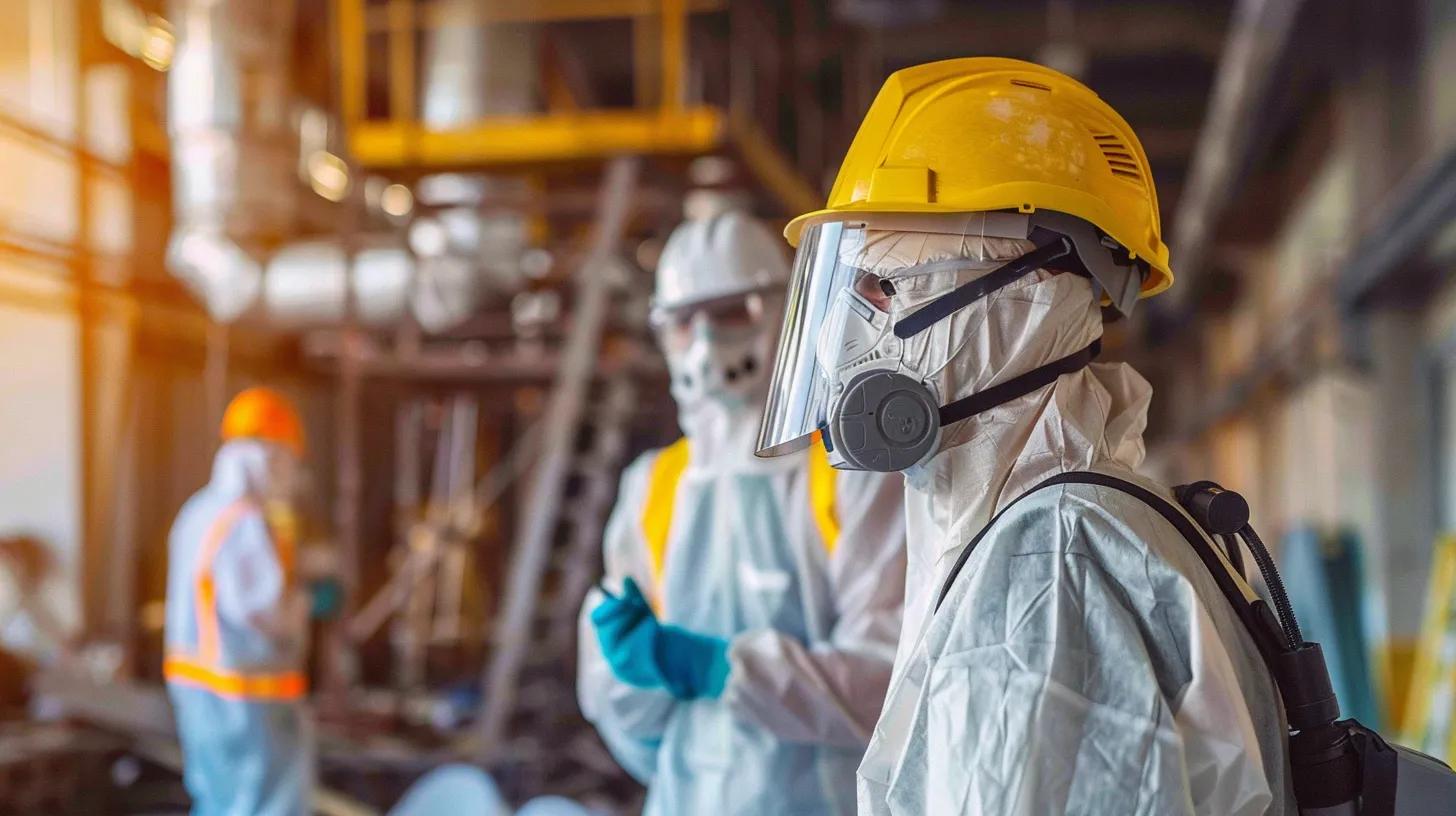
A furnace repair emergency includes any symptom posing immediate health or fire risk: persistent gas odors, repeated carbon monoxide alarm activation, visible flames or smoke, or complete system failure during dangerously cold weather. These conditions require evacuation and professional intervention focused on hazard mitigation.
How Do I Find Reliable 24/7 Emergency Furnace Repair Services?
Prioritize providers with verifiable emergency response policies: clear after-hours rates, documented ETA commitments, proof of liability insurance, and positive recent reviews for emergency calls. Before dispatch, ask for an ETA, expected emergency fee, and technician identification/credentials. Prefer companies that issue a written follow-up report and warranty for emergency repairs
What Service Guarantees and Warranties Should I Expect from a Furnace Repair Company?
Homeowners should expect two warranty layers: manufacturer warranties covering parts, and repair service warranties covering labor and replaced parts for a stated period (often 30-365 days). A credible service guarantee specifies remedies like free re-service if the repair fails within the warranty window and documents exclusions. Demand written guarantees and a transparent claims process before authorizing work.
Warranty Type | Typical Coverage | What to Verify |
|---|---|---|
Manufacturer Parts Warranty | Covers OEM part defects | Verify length, transferability, and required registration |
Repair/Service Warranty | Covers labor and replaced parts | Confirm duration, scope, and claim process in writing |
Satisfaction Guarantee | Company promise to resolve issues | Ask for terms: re-service windows, remediation steps |
What Types of Repair Warranties and Guarantees Are Common?
Common repair warranties include parts-only, parts-plus-labor, and limited satisfaction guarantees. Parts-only warranties cover manufacturer defects; parts-plus-labor warranties offer broader protection and are preferable for expensive components. Satisfaction guarantees vary, so ensure terms for re-service, credits, or refunds are clearly spelled out. Confirming warranty type and duration before service ensures you can enforce remedies if repairs fail.
How Important Are Follow-Up and Maintenance Plans After Furnace Repair?
Follow-up visits and routine maintenance plans by local furnace repair companies significantly reduce repeat failures, improve energy efficiency, and extend furnace lifespan. A maintenance plan typically includes annual inspections, filter checks, combustion testing, and priority scheduling, preventing small issues from becoming emergencies and often qualifying for extended warranty benefits. Investing in scheduled maintenance is a cost-effective strategy for reliable heating performance.
What Questions Should I Ask Before Hiring the Best Furnace Repair Company Near Me Technician?
- Are you licensed and insured in this state, and can you provide a license number?
- What diagnostic fee do you charge, and is it credited if I authorize repairs?
- Do you offer a written parts-and-labor warranty, and what is its duration?
- Have you worked on my furnace model before, and can you provide references?
- Will I receive an itemized written estimate before any replacement work?
- Do you offer emergency availability and if so, what are the after-hours rates?
- How will you document the work and communicate follow-up recommendations?
Which Questions Help Assess Technician Professionalism and Communication?
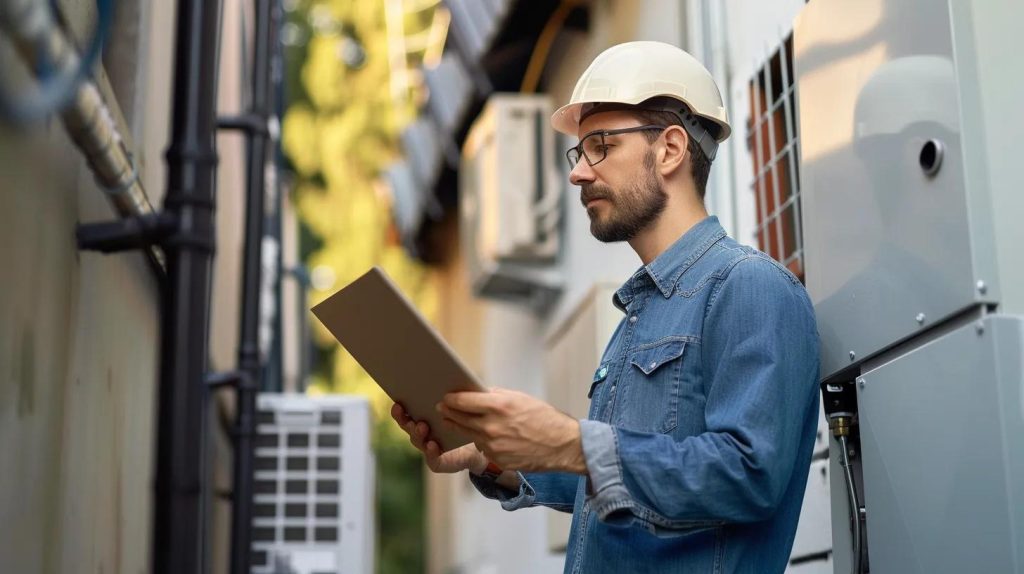
To assess professionalism, ask how the technician diagnoses problems, if they will show credentials on arrival, and what safety protocols they follow. Look for clear diagnostic steps, willingness to explain findings with evidence (photos, tests), and explicit safety measures. Assess communication by noting if they listen, offer transparent options, and commit to written estimates and timelines. Clear communicators typically provide better long-term service.
How Can I Use Customer Reviews and Testimonials to Make a Confident Choice?
Use reviews to identify recurring themes: consistent praise for punctuality, clear estimates, and successful warranty handling. Treat repeated complaints about upselling or missed appointments as serious red flags. Cross-check reviews across platforms and pay attention to recent feedback. A company that responds professionally to negative reviews demonstrates accountability. Combining direct references with multi-platform review patterns provides a balanced view of reputation.
What Are Common Furnace Problems and When Is Professional Repair Needed?
Common furnace problems include no heat, strange noises, frequent cycling, unusual odors, and ignition or pilot failures. Understanding symptom-to-cause mapping allows homeowners to perform safe initial checks (e.g., replacing filters, resetting breakers) while recognizing when professional attention is required, such as for suspected heat exchanger cracks or gas leaks.
Symptom | Possible Cause(s) | Recommended Action |
|---|---|---|
No heat | Thermostat, fuel supply, igniter failure | Check thermostat and breakers; if unresolved, call a professional |
Loud banging or rattling | Blower motor, loose ductwork, delayed ignition | Turn off system and schedule technician inspection |
Frequent cycling | Clogged filter, airflow restriction, incorrect thermostat | Replace filter, check vents; call pro if cycling persists |
Odor of gas | Gas leak, pilot or valve issue | Evacuate, avoid switches/appliances, call emergency responders |
What Are the Most Frequent Furnace Issues and Their Symptoms?
Frequent furnace issues include failed igniters or pilots causing no heat, blower motor bearings producing grinding or squealing noises, clogged filters causing reduced airflow and cycling, and cracked heat exchangers producing odor or efficiency loss. Symptoms like lack of heat despite a running fan indicate ignition or fuel supply issues, while unusual noises often signal mechanical wear. Recognizing these patterns helps homeowners provide precise details to technicians.
When Should a Homeowner Attempt DIY Troubleshooting vs. Calling a Professional?
Homeowners can safely attempt basic DIY checks like verifying thermostat settings, replacing the air filter, resetting the breaker, and ensuring vents are open. However, avoid DIY when the issue involves gas smell, carbon monoxide alarms, exposed electrical components, heat exchanger concerns, or anything requiring specialized tools and certification. If troubleshooting doesn’t quickly restore normal operation, stop and call a licensed professional to prevent safety hazards and costly repairs. Choose furnace repair service and prioritizing safety and understanding homeowner skill limits preserves warranty and insurance coverage.