

Essential Seasonal Furnace Maintenance Checklist for Homeowners
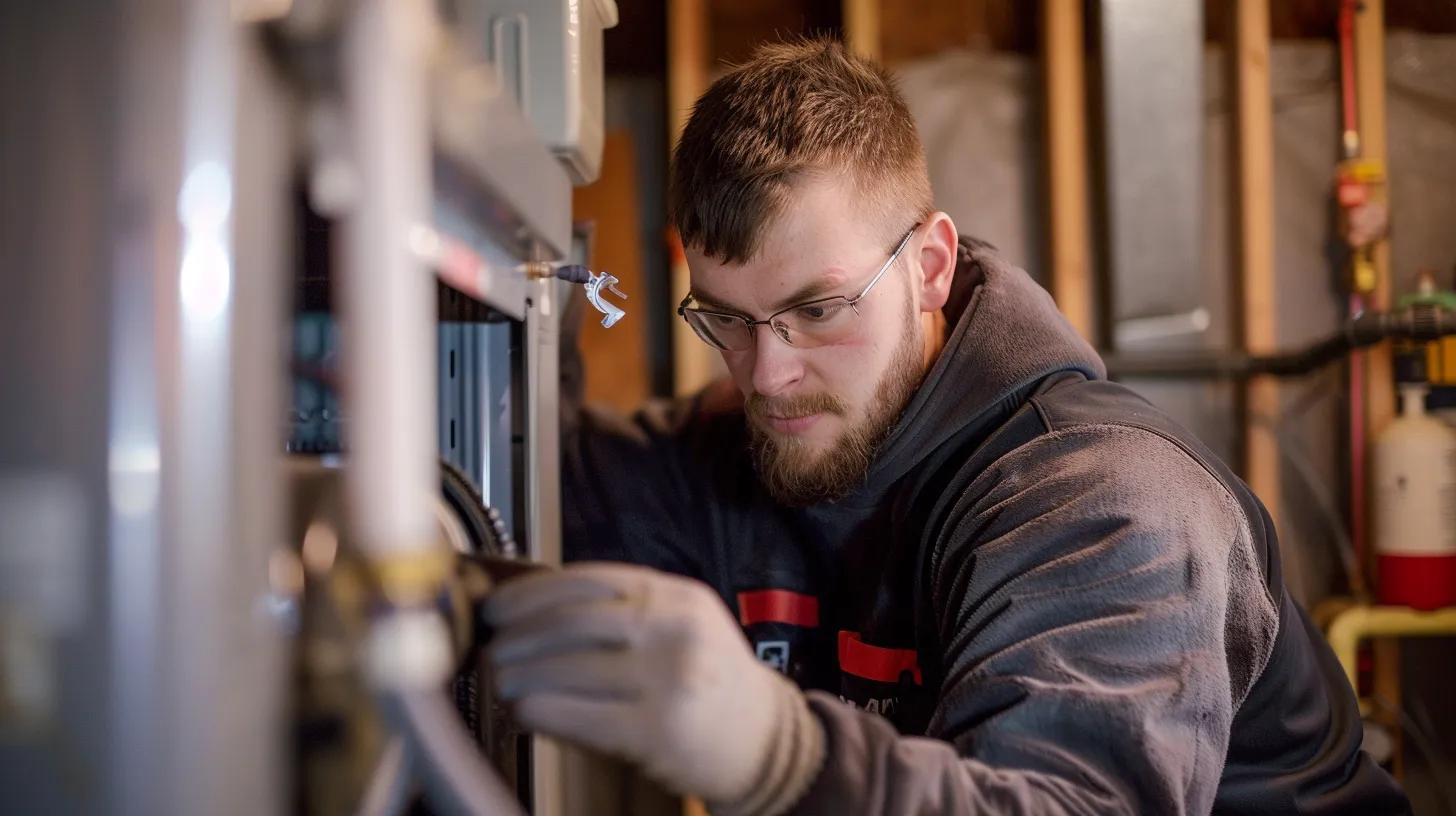
Seasonal furnace maintenance is the set of routine inspections and tasks homeowners perform before, during, and after heating seasons to keep forced-air heating systems safe, efficient, and reliable. This guide shows homeowners how preventive maintenance, cleaning or replacing filters, checking thermostats, clearing vents, and monitoring combustion indicators, reduces energy use, extends equipment lifespan, and lowers repair risk. Many households face sudden heating failures or rising energy bills when annual checks are skipped; this article provides an actionable seasonal furnace maintenance checklist.
Why Is Seasonal Furnace Maintenance Checklist For Homeowners Is Important?
Seasonal furnace maintenance checklist is the proactive routine of inspecting and servicing a home’s heating system to maintain efficiency, safety, and longevity. Clean filters and tuned burners maintain airflow and combustion quality, which improves AFUE-style efficiency by an estimated 5–15% in typical homes; this energy saving reduces utility costs and greenhouse gas output. Regular checks also detect safety issues such as carbon monoxide risks from a cracked heat exchanger or gas leaks, protecting occupants and preventing emergencies. Keeping ducts sealed and registers balanced preserves comfort and reduces uneven wear on the blower motor and heat exchanger. Understanding these benefits leads naturally into how maintenance specifically improves efficiency and what safety checks every homeowner should prioritize each season.
How Does Regular Maintenance Improve Furnace Efficiency and Save Energy?
Regular maintenance improves furnace efficiency by removing airflow obstructions, calibrating control systems, and ensuring combustion components operate correctly. A dirty or clogged air filter reduces airflow, causing the blower motor to run longer and the system to cycle more frequently, which translates to higher energy use; restoring clean filters and sealing ducts reverses that effect. Thermostat calibration and programmable scheduling reduce unnecessary run time by aligning system operation with actual occupancy patterns, while blower inspection and lubrication reduce mechanical losses. These homeowner furnace maintenance list, filter cleanliness, controlled thermostat behavior, and intact ductwork, combine to reduce wasted energy and keep heat delivery efficient through the season.
What Are the Homeowner Furnace Maintenance List?
- Replace or inspect the furnace air filter and note its size.
- Test and replace batteries in smoke and carbon monoxide detectors.
- Clear exterior intake and exhaust vents of leaves and debris.
Filter Type | Typical MERV Range | Replacement Interval | Impact on Air Quality |
Fiberglass disposable | 1–4 | Monthly to quarterly | Basic dust capture; low airflow resistance |
Pleated synthetic | 5–8 | 1–3 months | Good allergen capture; moderate airflow impact |
High-efficiency pleated | 9–13 | 3 months | Better particle removal; higher pressure drop |
HEPA-style (if compatible) | 16+ | 6–12 months | Excellent IAQ but may reduce airflow unless system rated |
How to Replace Your Furnace Air Filter Correctly?

Replacing a filter is a high-impact DIY task that improves airflow and reduces strain on the blower motor. Begin by turning the furnace off, locating the filter slot on the air handler or return grille, and noting the filter size and arrow for airflow direction; always insert the new filter with the arrow pointing toward the furnace. Use a filter appropriate for your system, pleated synthetic filters in the MERV 5–8 range suit most homes, while higher-MERV options require blower capacity verification, and dispose of used filters in sealed bags if dusty or contaminated. Regular replacement intervals depend on household factors: monthly in homes with pets or smokers, and every 60–90 days in low-dust households. Proper filter maintenance improves airflow and is the first line of defense against efficiency loss and poor indoor air quality.
| Brand | SEER2 Rating Range | Warranty Coverage | Key Strength |
|---|---|---|---|
| Lennox | 14–23 | 10-year limited | High-efficiency models |
| Carrier | 13–22 | 10-year parts | Quiet operation |
| Trane | 14–22 | 10-year limited | Robust durability |
| Rheem | 13–20 | 10-year parts | Value-oriented solutions |
| American Standard | 14–24 | 10-year limited | Precise comfort control |
How Can Homeowners Maintain Their Furnace During Winter for Optimal Performance?
Winter maintenance focuses on active monitoring and keeping airflow and combustion safe during peak use. Keep vents and registers clear of obstructions, monitor unusual noises or changes in cycling behavior, and check CO and smoke alarms monthly to detect problems early. If heating output drops or cycling becomes erratic, perform basic troubleshooting: confirm thermostat readings, inspect and replace filters, and reset tripped breakers; these homeowner steps can resolve many common issues. Persistent problems, such as repeated short-cycling, burning odors, or rising energy costs, are indicators to call a professional. Staying vigilant during winter reduces emergency service calls and maintains comfort during sustained cold periods.
Homeowners should watch for specific warning signs that indicate repair or safety intervention is needed; the next subsection lists common malfunction indicators and homeowner actions to take before contacting a technician.
- No Heat: Check thermostat, breakers, and filter before escalating to professional service.
- Short-Cycling: Replace filter and check thermostat settings; stop and call a pro if repeats.
- Unusual Noises: Tighten access panels and inspect the blower; persistent grinding or squealing needs expert repair.
- Burning Smell or Soot: Turn off the system and call a technician; combustion issues may be present.
These homeowner furnace maintenance list indicate red-flag items help homeowners prioritize immediate safety actions and determine when simple maintenance suffices versus when professional intervention is necessary.
What Are the Signs of Furnace Malfunction to Watch for in Winter?
What Spring and Summer Furnace Maintenance Should Homeowners Perform?
- Wipe down the furnace exterior and clear the nearby storage.
- Inspect visible duct sections for gaps, tape failure, or pest signs.
- Replace the filter and note the date for a summer schedule.
Completing these spring items reduces wear and positions your system for efficient cooling season operation.
How to Clean Furnace Exterior and Inspect Ductwork After Winter?
What Are Seasonal Furnace Maintenance Checklist For Safety?

Year-round best practices focus on predictable routines that sustain efficiency, preserve safety, and make professional interventions more effective when needed. Maintain a consistent filter replacement schedule, test carbon monoxide and smoke detectors monthly, and keep the furnace area clear of storage and combustibles to reduce fire and airflow risks. Monitor energy bills and system performance to spot gradual efficiency losses; sustained increases of roughly 5–15% without a change in use patterns can indicate an efficiency problem worth investigating.
Maintenance Task | Frequency | Difficulty |
Replace air filter | Monthly to quarterly | Easy (DIY) |
Test CO/smoke detectors | Monthly | Easy (DIY) |
Visual duct inspection | Annually | Moderate (DIY) |
Combustion and heat exchanger check | Annually (fall) | Difficult (Professional) |
Blower motor lubrication/inspection | Annually | Difficult (Professional) |
How to Maintain a Regular Filter Replacement Schedule?
A reliable filter schedule prevents airflow restriction and maintains indoor air quality, with intervals that vary by filter type and household conditions. Set calendar reminders for seasonal furnace maintenance checklist or use smart-home alerts to change standard pleated filters every 30–90 days depending on pets, occupants with allergies, or high dust; homes with minimal dust might extend intervals, but regular checks are safer.
Record each replacement in a simple log, noting filter type and date, which helps detect patterns when efficiency changes or allergies worsen. Consistent scheduling reduces blower wear and keeps furnaces running within design airflow ranges, which supports sustained efficiency and reduces the need for frequent repairs.
Conclusion
Seasonal furnace maintenance checklist keeps your home warm, safe, and energy-efficient all year long. Simple homeowner furnace maintenance list like replacing filters, testing detectors, and checking vents can prevent costly repairs and sudden breakdowns. With consistent care and professional tune-ups when needed, your furnace will run smoother, last longer, and save you money on energy bills.
FAQs
1. How often should I replace my furnace filter?
Every 1–3 months for most homes; more often if you have pets or allergies.
2. When should I schedule professional furnace maintenance?
3. Can I do furnace maintenance myself?
4. Why is my furnace making noise?
5. What’s the most common cause of furnace problems?