
Furnace Installation Cost and Key Steps Every Homeowner Should Know
When the cold months arrive in Meridian and across the Treasure Valley, a reliable furnace isn’t just a luxury; it’s a necessity. For many homeowners, understanding the process behind a new heating system is key to making confident decisions. From knowing the furnace installation cost to understanding safety steps and creating a checklist, being informed saves both time and money. Boise Valley Heating Air has years of trusted experience in guiding homeowners through this process, and in this blog, we’ll break down everything you need to know to prepare for furnace installation in your home.
Why Proper Furnace Installation Matters
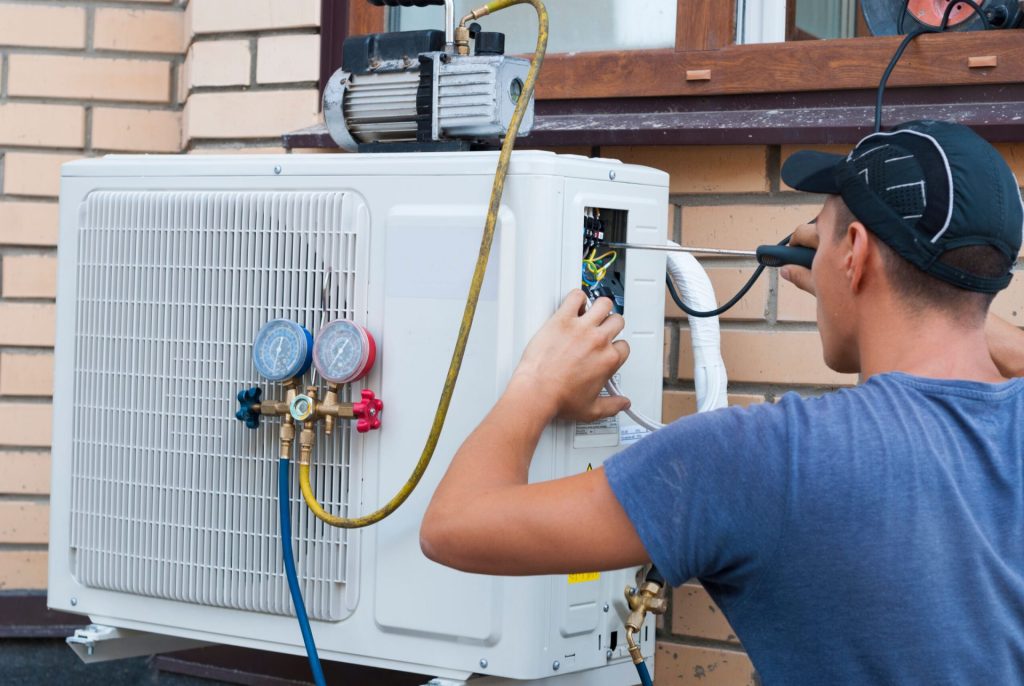
Your furnace is the backbone of your home’s comfort during winter. A poorly installed system can increase energy bills, shorten the equipment’s lifespan, and create safety risks. On the other hand, a correctly installed furnace ensures efficiency, lower operating costs, and reliable performance.
That’s why understanding the steps and the real furnace installation cost is essential. Knowing how professionals approach the work also helps homeowners avoid unsafe shortcuts, such as attempting DIY furnace installation, which often leads to bigger problems.
Step 1: Evaluate Your Home’s Heating Needs
Before scheduling installation, a professional contractor assesses your home’s layout, square footage, and insulation. This evaluation ensures the new furnace is properly sized. If the system is too small, it won’t heat your home efficiently; too large, and it wastes energy and wears out faster.
During this phase, you’ll also start discussing the furnace installation cost. Factors such as system size, brand, and energy efficiency rating all play a role. While many homeowners search for ways to save, it’s important to remember that cutting corners often leads to higher expenses down the road.
Step 2: Understanding Furnace Installation Cost
The furnace installation cost is usually a combination of equipment, labor, and any additional upgrades like ductwork or smart thermostats. Boise Valley Heating Air helps clients with transparent pricing so there are no surprises.
Here’s what typically influences the price:
- System Type: Gas furnaces vs. electric furnaces have different costs.
- Energy Efficiency: Higher efficiency models cost more upfront but save money in the long run.
- Home Modifications: Updating vents, ductwork, or electrical panels can add to the furnace installation cost.
By discussing these factors upfront, homeowners can plan their budgets realistically while ensuring the system installed is safe and efficient.
Step 3: Preparing for Installation
Once you’ve chosen your system, it’s time to prepare your home. This is where a new furnace installation checklist becomes useful.
Some items that may appear on your checklist include:
- Clearing the installation area for technicians.
- Ensuring electrical and gas connections are accessible.
- Removing clutter or storage items near the furnace space.
- Making arrangements for pets or children during the process.
By following a new furnace installation checklist, homeowners reduce delays and make the process smoother for technicians. Our technicians appreciate it when clients are prepared, as it keeps the installation day on track.
Step 4: The Removal of the Old Furnace
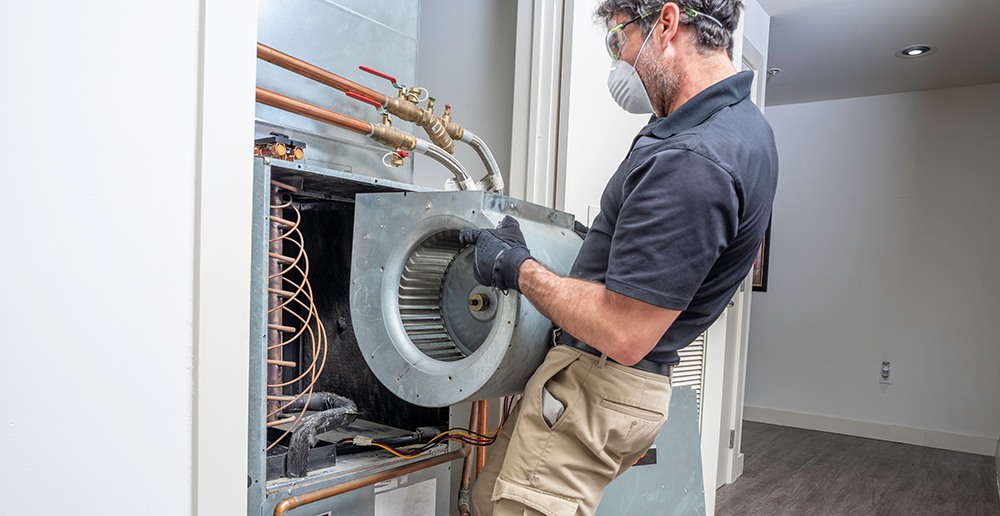
The first technical step of installation is disconnecting and removing your old system. Professionals shut off the power and gas, carefully dismantle the existing furnace, and dispose of it safely. This is an area where DIY furnace installation becomes risky; handling gas lines or electrical connections without training can be dangerous. Licensed professionals follow safety codes to prevent hazards.
The removal process also allows technicians to inspect your ductwork and connections, ensuring everything is ready for the new system.
Step 5: Installing the New Furnace
With the old furnace removed, the new unit is brought in and positioned. Technicians secure the system, connect gas or electrical lines, and ensure the venting is safe.
The precision required here is why DIY furnace installation is not recommended. Even a small mistake can lead to carbon monoxide leaks or fire risks. Our technicians double-check every connection for safety and performance before moving to the next stage.
The installation step is where most of the furnace installation cost is reflected in labor; skilled professionals ensure your home stays safe and warm.
Step 6: Testing and Calibration
After connections are complete, technicians test the furnace to ensure everything works properly. They calibrate the thermostat, check airflow, and verify that the system cycles on and off correctly.
During this stage, they’ll also walk you through how to operate your new furnace efficiently. This not only ensures comfort but also protects your investment by preventing unnecessary strain on the system.
Step 7: Safety Checks and Final Walkthrough
The final stage of installation includes detailed safety checks. Technicians look for gas leaks, electrical issues, or ventilation problems. This is a step that homeowners sometimes overlook when they attempt DIY furnace installation. Safety inspections are critical, as even small oversights can have serious consequences.
Once the system passes inspection, we provides homeowners with maintenance recommendations, warranty details, and answers to any last-minute questions.
The Importance of Professional Installation vs. DIY
Many homeowners search for DIY furnace installation guides, hoping to save money. However, the risks outweigh the benefits. Improperly installed furnaces may void warranties, reduce efficiency, and pose fire or gas hazards.
When comparing the furnace installation cost of professional services with the potential expense of fixing a botched installation, hiring trained experts like us is always the smarter option. Professionals bring years of experience, industry certifications, and the peace of mind that comes with knowing the job was done right.
Creating a New Furnace Installation Checklist

If you’re preparing for an installation, creating a new furnace installation checklist is one of the most helpful things you can do. Here’s a simple example to get you started:
- Confirm your furnace type and model.
- Clear the installation area.
- Review your budget for furnace installation cost.
- Plan for safe access to gas and electrical connections.
- Schedule time to review the system with your technician.
Hidden Costs to Watch Out For
While the average furnace installation cost is straightforward, homeowners should also be aware of potential hidden costs. These might include:
- Updating old ductwork.
- Adding a new thermostat or upgrading to a smart model.
- Extra labor if your old furnace is in a tight or hard-to-reach space.
- Local permits or inspections are required in some Idaho communities.
Boise Valley Heating Air makes these costs clear upfront. Transparency is a cornerstone of their service; homeowners never feel blindsided by unexpected fees.
Long-Term Savings with Proper Installation
Though the upfront furnace installation cost may feel high, proper installation ensures long-term savings. A correctly sized and installed furnace uses less energy, lasts longer, and requires fewer repairs. This means lower monthly bills and less stress when Idaho’s winter weather strikes.
Additionally, many high-efficiency furnaces qualify for rebates or tax credits, reducing the net cost over time. Boise Valley Heating Air helps clients understand and apply for these incentives, ensuring maximum value from their investment.
Maintenance After Installation
Your new furnace is a major investment, and maintaining it is the best way to protect that investment. Professionals recommend:
- Scheduling annual tune-ups.
- Replace air filters regularly.
- Keeping vents clear of obstructions.
- Watching for unusual noises or performance issues.
Ignoring maintenance often leads to unexpected breakdowns and higher repair costs, something no homeowner wants after paying the furnace installation cost. With professional maintenance from Boise Valley Heating Air, your system can run smoothly for many years.
Final Thoughts
A new furnace is one of the most important purchases a homeowner can make for their comfort and safety. Understanding the steps and budgeting realistically for the furnace installation cost helps ensure everything goes smoothly.
While some homeowners are tempted by DIY furnace installation, the risks are too high. Professional services from trusted local experts like Boise Valley Heating Air guarantee that your system will be installed safely, efficiently, and with lasting results.
When the Treasure Valley winter sets in, you’ll be grateful for a warm, efficient, and reliable heating system that was installed the right way from the start.
Frequently Asked Questions
1. How much does furnace installation cost in Meridian, ID?
The furnace installation cost in Meridian depends on the type of system, efficiency rating, and any ductwork updates. On average, homeowners can expect a range between $4,000–$8,000, though Boise Valley Heating Air provides detailed estimates to ensure full transparency.
2. Is DIY furnace installation a good idea?
While many homeowners consider DIY furnace installation to save money, it carries serious risks. Gas and electrical connections require certified handling, and improper installation can void warranties or create safety hazards. Professional installation ensures your system is safe and efficient.
3. What should be on my new furnace installation checklist?
A new furnace installation checklist includes preparing the installation area, reviewing your budget, ensuring gas/electrical access, and confirming your furnace type with your contractor. Boise Valley Heating Air provides guidance to make sure nothing is overlooked.
4. How long does it take to install a furnace?
Most professional installations take between 4 and 8 hours, depending on the complexity of the system and whether modifications to ductwork or electrical systems are required.
5. What maintenance is required after furnace installation?
Regular maintenance helps protect your investment. This includes annual tune-ups, filter changes every 1–3 months, and monitoring system performance. Boise Valley Heating Air offers maintenance plans to keep your system running smoothly.