
Furnace Repair Made Simple: How to Tell When Your System Needs Help
What Are the Top Signs You Need Furnace Repair?
- No heator weak heat: The systemruns but delivers little or no warm air.
- Short cycling: The systemturns on and off frequently without reaching the set temperature.
- Strange noises: Banging, grinding, or squealing that were not previously present.
- Unusual smells: Gas-like, burning, or musty odors coming from the system.
- Yellow or flickering pilot light: Suggests combustionissues or venting problems.
- Spike in energybills: Higher fuel use without increased heatingneeds.
This observable furnace repair signmap directly relates to likely causes and urgency, which the table below summarizes to help you prioritize next steps and understand what is safe to check at home.
SignObserved | Likely Cause | Immediate Action / Urgency |
Banging on start | Delayed ignition or ductexpansion | Moderate: check vents; call pro if recurring |
Squealing during a run | Blower motor belt or bearing wear | High: Schedule repairto avoid motor damage |
Burning or electrical smell | Overheating wiring or an electrical fault | High: shut off power; call a technician |
Rotten-egg smell | Natural gas leak | Emergency: Evacuate and call the gas company |
Yellow pilot light | Incomplete combustion/ventingissue | High: stop use and call a pro for CO risk |
This quick mapping helps convert what you observe into practical next steps; the next sections explain specific noises and smells in more detail and when each requires immediate intervention.
Which Strange Noises Are Furnace Repair Sign?
What Are the Most Common Furnace Problems Homeowners Face?
How Does a Faulty Thermostat Affect Furnace Performance?
A faulty thermostatimpairs furnaceperformance by misreading temperature, failing to call for heat, or sending erratic signals that cause short cycling or continuous operation, and this can mimic more serious mechanical faults. Calibration issues or poor placement, near drafts, direct sunlight, or appliance heat, cause inaccurate readings. Simple fixes include replacing batteries, verifying mode (heatvs. fan), and testing by raising the setpoint. If the thermostatfails to trigger the furnace, wiring or control board issues may be present. Smart thermostatintegration problems or loose wiring require a technicianwhen basic checks fail, since incorrect wiring can damage both thermostatand furnacecontrol circuits. Proper thermostatfunction is critical because it controls runtime, affects comfort, and has a direct impact on energyconsumption. Regularly checking thermostatsettings and ensuring correct placement will reduce misdiagnoses and unnecessary servicecalls..
When Should You Call for Emergency Furnace Repair?

Emergency furnace repairis warranted when symptoms pose immediate safety hazards, gas smells, furnace repair signsof carbonmonoxideexposure, smoke or electrical burning, or total systemfailure in extreme cold, because these conditions can threaten health and property. If you detect a sulfurous or gas-like odor, evacuate the premises immediately and follow local emergency guidance rather than attempting in-home fixes; similarly, if occupants experience dizziness, headaches, or nausea alongside furnaceoperation, treat this as a potential carbonmonoxideexposure and seek medical and technical help. Smoke, visible sparks, or persistent electrical burning smells require cutting power to the furnaceand calling an emergency HVACtechnicianto avoid fire risk.
- Gas odoror hissing: Evacuate and call emergency responders or gas company per local instructions.
- CO symptoms (headache, dizziness, nausea): Get fresh air, seek medical attention, and schedule urgent inspection.
- Smoke or sparks from furnace: Cut power and call emergency HVACserviceto avoid fire.
- Uncontrollable flooding or severe water in system: Shut off gas and electricity and call an emergency technician.
How Do Certified Technicians Diagnose and Fix Complex Issues?
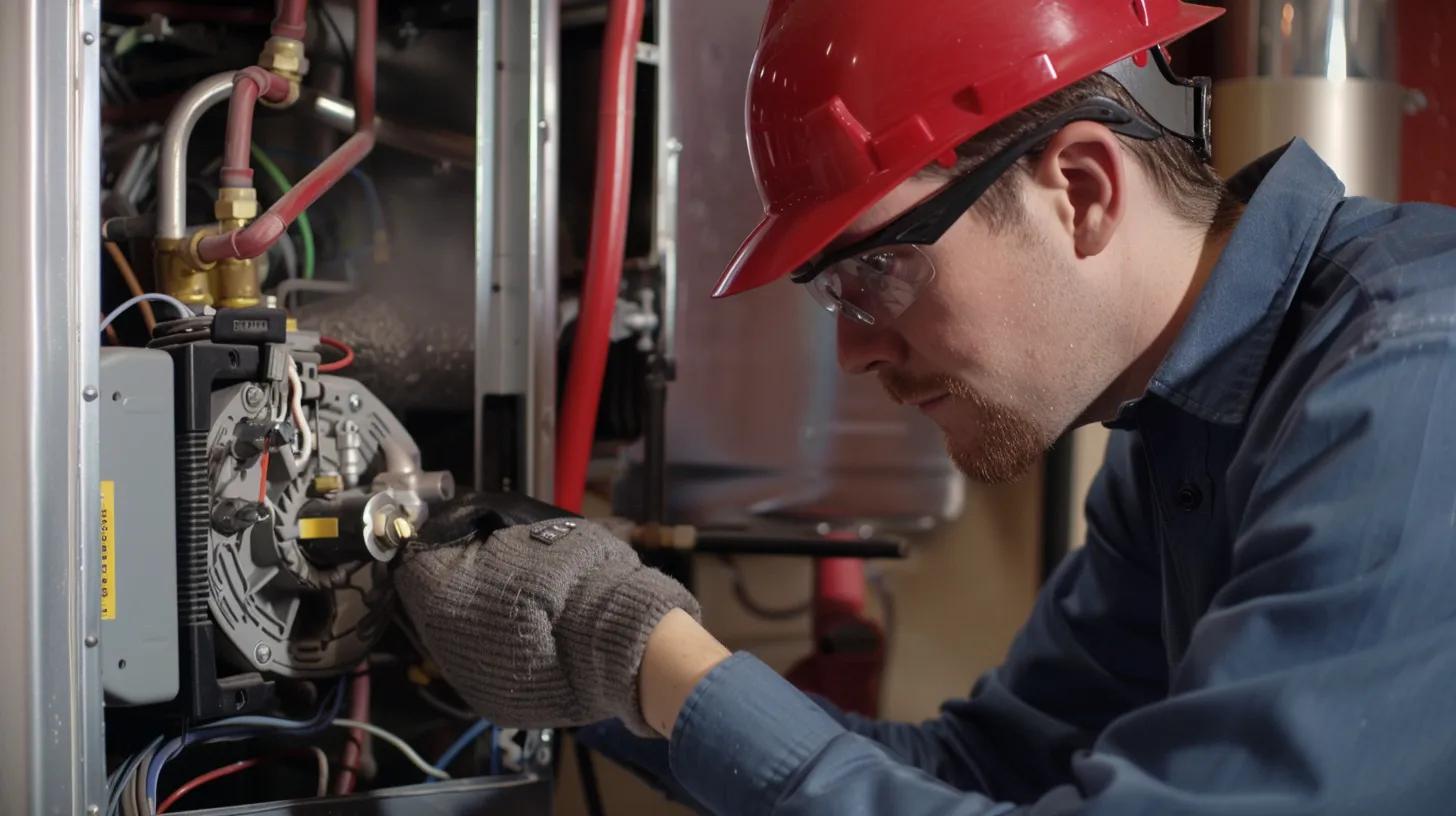
Certified technicians use a sequence of visual inspection, electrical testing, combustionanalysis, and component-specific checks to diagnose complex furnaceissues because accurate diagnosis separates safe repairsfrom necessary replacements. Initial inspections include checking filters, vents, visible wiring, and blower components; electrical testing with multimeters verifies control circuits, relays, and transformer function. For combustion-related concerns, technicians use combustionanalyzers and CO meters to measure flue gases and ensure safe operation; heat exchangerintegrity checks and pressure or dye tests help identify cracks or leaks.
Common complex fixes include replacing blower motors or belts, swapping out ignitors or control boards, repairing or replacing heatexchangers, and restoring safe venting; technicians follow safety protocols and manufacturer specifications when performing repairsor recommending replacement.
When Is It Worth Repairing vs. Replacing Your Furnace?
Deciding between furnace repair and replacement depends on four main factors: furnaceage, frequency of repairs, costof the current repairrelative to replacement, and energy-efficiency impacts that affect operating costs over time. As a guideline, if the furnaceis older than roughly 15–20 years, repairsbecome less cost-effective because failures are more likely to recur and efficiency lags modern replacements.
If repaircostexceeds about 50% of a new unit’s installed price, replacement usually delivers better long-term value; similarly, repeated servicevisits within a short period signal diminishing returns from repairs. Also consider incentives, rebates, and potential energysavings from high-efficiency models; these financial offsets can tilt the decision toward replacement even when immediate repairis cheaper. Use a simple decision checklist: compare repaircost, tally recent repairs, note systemage, and estimate annual fuel savings with a replacement to arrive at a clear choice. Follow this checklist to move from short-term fixes to a durable, efficient heatingsolution that reduces both risk and long-term expenses.
How Does Preventive Maintenance Keep Your Furnace Healthy?

Preventative maintenancekeeps furnaceshealthy by preserving efficient combustion, ensuring adequate airflow, and catching developing faults early, actions that reduce the likelihood of emergency repairsand extend systemlife. An annual professional tune-up includes inspection and cleaning of burners, combustionanalysis, lubricating moving parts, testing safety controls, and inspecting venting and heat exchangerintegrity; these tasks restore optimal operation and verify safe function.
Regular homeowner tasks such as monthly filter checks and seasonal vent clearing prevent common failures like blower strain and poor heattransfer, while documentation of maintenancedates helps spot performance trends that predict future failures. A practical maintenancechecklist separates homeowner tasks from professional duties so you can safely maintain essential items while technicians handle safety-critical work, reducing emergency calls and improving efficiency. Consistent application of this checklist narrows the gap between routine maintenanceand costly furnace repair, reinforcing systemreliability and occupant safety.