

Heat Pump Installation Meridian ID: What Your Furnace Noises Are Trying to Tell You
Heat pump installation Meridian ID, efficiently heat and cool homes year-round. This guide explores what heat pumps are, how cold-climate models perform in Meridian’s varied weather, and why many homeowners experience lower operating costs and improved comfort. We’ll cover air-source, ductless mini-split, and geothermal systems, local climate influence, and how rebates and financing can reduce upfront costs. The article also outlines Meridian heat pump services, compares heat pumps to furnaces, and details incentives from Idaho Power, Intermountain Gas, and federal programs like the Inflation Reduction Act (IRA). This comprehensive guide is designed to empower your decision-making.
What Is a Heat Pump and How Does It Work in Meridian’s Climate?
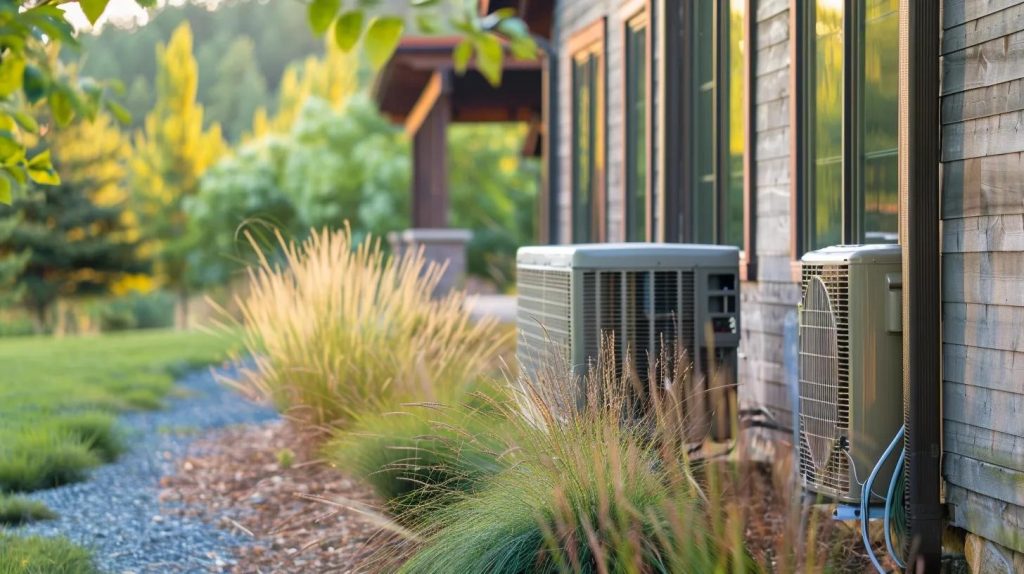
What is heat pump installation? It’s an HVAC system that transfers heat between indoors and outdoors using refrigerant and a compressor, offering an energy-efficient alternative to combustion heating. In Meridian’s climate, heat pumps extract outdoor heat for heating, even at low temperatures, and reverse the cycle for cooling in summer. This provides consistent indoor comfort with lower electrical energy usage, especially with cold-climate models. Proper sizing and selection are crucial for Meridian’s varied weather.
How Do Heat Pumps Provide Heating and Cooling Year-Round?
Heat pump installation Meridian, ID, provides heating and cooling by reversing the refrigeration cycle. In heating mode, the outdoor coil absorbs heat moved indoors; in cooling mode, it removes indoor heat to the outdoors. Modern inverter-driven compressors modulate capacity, improving comfort and reducing cycling losses. Cold-climate heat pumps maintain useful output in Meridian’s winters, though some homes might use backup heat during extreme cold. This efficient mechanism allows heat pumps to replace separate furnaces and air conditioners.
What Are the Key Components of a Heat Pump System?
A typical Meridian heat pump services includes an outdoor unit (compressor and coils), an indoor air handler, refrigerant lines, and a thermostat. The compressor drives refrigerant flow, while coils facilitate heat exchange; variable-speed fans and inverter compressors enhance efficiency. Cold-weather enhancements include low-GWP refrigerants and defrost controls. Regular maintenance—filter changes, coil cleanings, and refrigerant checks—ensures optimal performance and prolongs system life.
How Much Does It Cost For Heat Pump Installation Meridian, ID?
Cost of heat pump installation in Meridian, ID varies by system type, home size, and complexity. In 2024, ranges are roughly $6,000–$12,000 for air-source heat pumps (1,200–2,000 sq ft homes), $3,500–$8,000 per zone for ductless mini-splits, and $20,000–$40,000+ for geothermal systems. Price drivers include equipment capacity, efficiency (SEER/HSPF), existing ductwork, electrical upgrades, labor, and permitting. On-site load calculations and contractor assessments are essential for accurate estimates.
| System Type | Typical Installed Capacity / Home Size | Estimated Installed Cost Range |
| Air-source heat pump (ducted) | 1,200–2,500 sq ft homes, 2–5 ton systems | $6,000 – $12,000 |
| Ductless mini-split (multi-zone) | Single rooms to whole-home (add-on zones) | $3,500 – $8,000 per zone/system aggregate |
| Geothermal (ground-source) | Best for 1,500–3,500 sq ft long-term homes | $20,000 – $40,000+ |
These ranges are starting points; the most important next step is an on-site assessment to refine scope and pricing.
What Factors Influence Heat Pump Installation Costs?
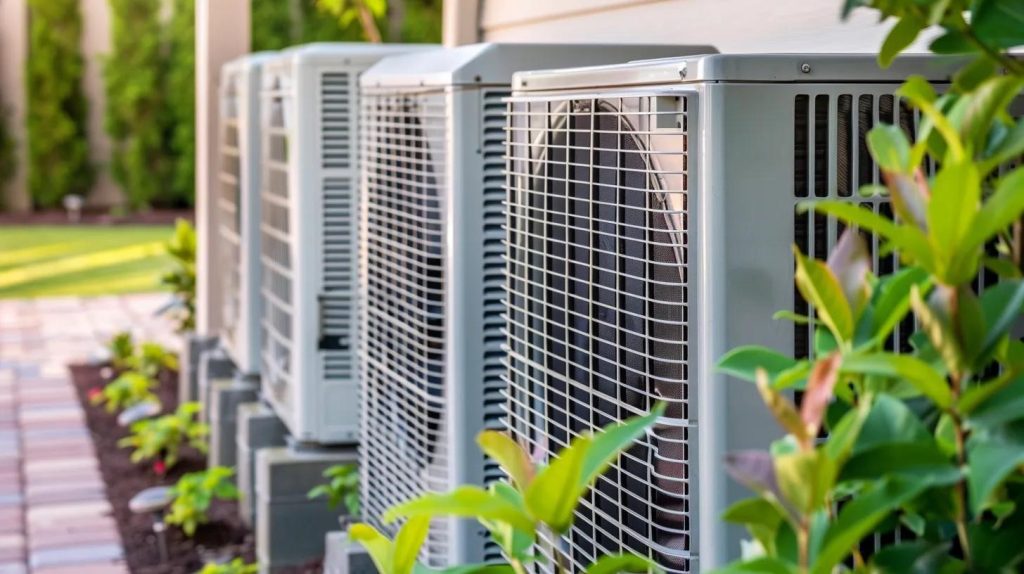
Several variables determine the final installed price: equipment efficiency and capacity, ductwork needs, electrical service upgrades, and any structural work. Brand and model choices affect warranty and lifespan, while home insulation and window performance alter required capacity. Permitting and inspection fees add to soft costs, and access issues can raise labor hours. Always require a full load calculation and itemized bid, as quotes can vary significantly between similar Meridian homes.
- Equipment efficiency and capacity selection determine base price and long-term operating cost.
- Ductwork condition or the need for ductless solutions affects heat pump installation in Meridian, ID complexity and labor.
- Electrical upgrades, permits, and site access factors can add high soft costs to the project.
A careful review of these factors before accepting a proposal helps avoid surprise charges and ensures the installed system matches expected performance.
What Types of Meridian Heat Pump Services Are Best for Homes?
Choosing the best Meridian heat pump services depends on a home’s ductwork, envelope quality, size, and long-term plans. Air-source heat pumps suit many Meridian homes with existing ducts, offering whole-house conditioning. Ductless mini-split systems are ideal for homes without ducts or when zoning is desired. Geothermal systems offer the highest efficiency but require a larger upfront investment. Selecting a cold-climate rated model with high HSPF/SEER values ensures better winter output in Meridian’s colder months.
What Are the Benefits and Drawbacks of Air-Source Heat Pumps?
Air-source what is heat pump installations are widely applicable, costing less upfront than geothermal and replacing both furnace and air conditioner. Benefits include whole-house conditioning via existing ducts, improved seasonal efficiency (SEER and HSPF), and availability of cold-climate models. Drawbacks include reduced efficiency in extreme cold and potential need for auxiliary heat in poorly insulated homes. For ducted Meridian homes, air-source models with inverter compressors offer a favorable balance of cost and savings.
How Do Ductless Mini-Split Heat Pumps Offer Zoned Comfort?
Ductless mini-splits consist of an outdoor compressor paired with indoor air handlers, enabling room-by-room temperature control without ductwork. This zoning reduces energy waste by conditioning only occupied spaces, ideal for additions or older Meridian homes without ducts. Installation is less invasive than retrofitting ducts but requires careful planning for outdoor unit placement. Multi-zone mini-splits are an attractive option for targeted efficiency gains.
Why Choose Geothermal Heat Pumps for Sustainable Heating and Cooling?
Geothermal (ground-source) heat pump installation Meridian, ID use the earth’s stable underground temperature to exchange heat, delivering the highest efficiencies and lowest operating costs. Advantages include long equipment life, reduced utility bills, and consistent capacity during cold Meridian winters. Site constraints, drilling costs, and higher upfront investment mean geothermal is most cost-effective for long-term homeowners or new construction. For those prioritizing lifecycle cost, sustainability, and resale value, geothermal systems offer the best long-term financial and environmental outcome.
Selecting geothermal requires a site feasibility study and detailed financial modeling to compare lifecycle savings against higher initial expense.
What Rebates and Incentives Are Available for Heat Pump Installation in Idaho?
Idaho homeowners can combine federal incentives, like IRA tax credits, with local utility programs from Idaho Power and Intermountain Gas. The Inflation Reduction Act provides substantial federal tax credits for high-efficiency heat pumps meeting ENERGY STAR or DOE requirements. Utility programs often include rebates for ducted, ductless, and geothermal systems with specific eligibility rules. Stacking incentives requires understanding timing, certification, and eligible equipment lists; keeping records simplifies claiming rebates and tax credits.
| Incentive Program | Eligibility / Max Amount | Application Notes / Valid Through |
| Federal IRA tax credit | Percentage-based credit for qualifying systems; check DOE/IRS criteria | Requires qualifying equipment and documentation; tax-year claim process |
| Idaho Power rebates | Varies by system type (ducted, ductless, geothermal); amounts depend on efficiency | May require pre-approval or post-install application with receipts |
| Intermountain Gas incentives | Targeted programs for electrification and efficient heating | Eligibility may depend on customer status and installation details |
How Do Federal Tax Credits and the Inflation Reduction Act Support Installation?
Federal incentives under the Inflation Reduction Act can significantly reduce net project cost by offering tax credits or point-of-sale rebates for qualifying heat pumps meeting DOE/ENERGY STAR criteria. These incentives typically cover a percentage of equipment and heat pump installation Meridian, ID, subject to caps. Eligibility requires certified equipment and documentation; credits are claimed on tax returns. Meridian homeowners should verify current program rules and calculate example savings to determine the effective post-incentive price before equipment selection.
What Local Rebates Do Idaho Power and Intermountain Gas Offer Meridian Residents?
Local utilities like Idaho Power and Intermountain Gas run targeted rebate programs offering cash incentives for ducted air-source heat pumps, ductless mini-splits, and geothermal installations, with amounts tied to efficiency ratings. Requirements include proof of purchase, installation invoices, and sometimes pre-approval. Programs often prioritize ENERGY STAR-certified models. Timing is crucial—many utilities require applications within a set window after installation—so gather documentation promptly. Checking program rules with your installer ensures efficient rebate processing and maximizes combined savings.
If you want assistance with rebate eligibility checks or completing applications, local contractors and program administrators can often provide guided support to confirm qualifying equipment and required paperwork.
How Is Heat Pump Installation Performed in Meridian, ID?
A quality heat pump installation in Meridian,ID begins with a detailed on-site assessment, including a Manual J load calculation, ductwork inspection, and electrical service review. Installers prepare a scope covering equipment placement, line-set routing, duct modifications, electrical work, and permitting. Installation proceeds with equipment placement, connections, system charging, and commissioning tests. Final steps include a homeowner walkthrough, thermostat setup, warranty registration, and providing operation and maintenance guidance.
What Are the Step-by-Step Installation Procedures?
Typical installation follows a clear sequence: site assessment, load calculation, equipment selection, site preparation, running lines and circuits, system charging/testing, and final commissioning. Timeframes vary—mini-splits may install in a day or two, while full ducted replacements or geothermal loops require multiple days. Homeowners should prepare by clearing installation areas. A transparent, itemized proposal and clear timeline reduce surprises and make warranty activation straightforward.
Clear sequencing and homeowner preparation improve installation efficiency and reduce post-install service calls.
How Do Certified Technicians Ensure Quality Installation?
Certified technicians rely on credentialed training—like trade certifications and EPA qualifications—to perform accurate load calculations, refrigerant charging, and airflow balancing. Quality assurance includes verifying correct refrigerant type and charge, ensuring proper electrical protection, and documenting commissioning results. Post-install, technicians educate homeowners on thermostat programming and maintenance. Choosing installers who follow these testing and documentation practices helps protect system efficiency and lengthen equipment life.
How Does a Heat Pump Compare to a Furnace for Meridian Homes?
Heat pumps usually deliver higher seasonal efficiencies than combustion furnaces, moving heat rather than generating it, which translates to lower operating costs. Efficiency metrics differ: heat pumps use SEER and HSPF, furnaces use AFUE. High-efficiency Meridian heat pump services often yields lower annual energy bills than an older gas furnace in Meridian. Comfort trade-offs include heat pumps’ consistent temperature control and better dehumidification. Furnaces offer higher output at very low temperatures, unless paired with a cold-climate heat pump or hybrid system. Lifecycle cost analyses help homeowners choose the best long-term strategy.
What Are the Energy Efficiency and Cost Differences?
Heat pumps’ SEER/HSPF ratings indicate cooling/heating output per unit of electricity, often resulting in lower utility bills than furnaces (measured by AFUE). For a typical Meridian home, switching to a modern cold-climate heat pump can reduce winter energy spending when sized correctly. Maintenance patterns differ: heat pumps require annual checks of refrigerant charge, while furnaces need combustion safety inspections. To estimate annual savings, compare modeled consumption from a Manual J load and utility rate projections.
These efficiency and cost comparisons naturally affect comfort decisions and can indicate when a hybrid approach makes sense for extreme cold periods.
Which System Provides Better Comfort in Meridian’s Climate?
Comfort comparisons hinge on consistent heat delivery, zoning, and humidity control. What is heat pump installation provides steady, even heating with rapid modulation and offer superior dehumidification, enhancing year-round comfort. Furnaces may produce warmer air but can lead to wider temperature swings and less precise humidity control. In very cold stretches, pairing a heat pump with a supplemental furnace in a hybrid configuration ensures both efficiency and high-output capacity. Homeowners prioritizing steady temperature, zoning, and humidity management often prefer heat pumps; those needing guaranteed high-output backup may consider hybrid systems.
Deciding between systems depends on comfort priorities, home insulation, and willingness to invest in electrification and high-efficiency equipment now to capture long-term savings.
- System selection checklist: Confirm duct condition, insulation levels, and zoning needs before choosing equipment.
- Incentive planning: Combine federal and utility incentives to reduce net cost and improve payback timelines.
- Installer qualifications: Ask installers about load calculations, cold-climate equipment experience, and commissioning procedures.
These practical steps help Meridian homeowners move from research to a confident installation decision after weighing costs, incentives, and comfort goals.
Schedule Your Free Assessment
Ready for a Heat Pump Upgrade?
Discover the perfect heat pump system for your Meridian home. Get a free, no-obligation estimate from a certified local expert. Start saving on energy bills and enjoy year-round comfort.
Conclusion
Investing in a heat pump system significantly enhances your home’s energy efficiency, providing tailored heating and cooling for Meridian’s climate. Understanding heat pump types and available incentives empowers homeowners to make informed decisions for long-term savings and comfort. Explore our heat pump installation Meridian, ID options and financing solutions. Contact Meridian, ID, contractor today to schedule your assessment and start your journey to improved comfort.