

How to Reduce Winter Heating Costs Effectively

Winter heating costs rise due to heat loss and inefficient heating systems. This guide offers practical, data-driven strategies to reduce winter heating costs and improve comfort through thermostat optimization, weatherization, HVAC maintenance, behavioral adjustments, advanced energy solutions, and smarter bill management. You’ll learn about mechanisms driving savings, DIY steps, and upgrade considerations. The article is organized into six sections: smart thermostat settings, insulation and air sealing, HVAC maintenance and upgrades, behavioral efficient winter heating tips, advanced solutions and incentives, and utility-bill management. Each section provides quick actions, comparison tables, and step-by-step guidance to help prioritize options with clear payback thinking, informed by current research and efficiency perspectives.
How Can Smart Thermostat Settings Save Heating Bills Winter?

Smart and programmable thermostats cut winter energy and reduce winter heating cost use by automatically lowering setpoints during low-occupancy periods, reducing furnace or heat pump runtime while maintaining comfort when needed. They minimize temperature differentials that drive heat loss, often using learning algorithms or geofencing. This leads to lower consumption and measurable savings, typically percentage reductions in annual heating use compared to manual thermostats. Benefits include automated scheduling, remote control, and data insights. Research confirms that optimizing thermostat schedules and setpoints is crucial for enhancing performance and reducing heating expenses.
- Set a daily setback: Lower the thermostat 7–10°F for 8 hours overnight or during work hours to substantially reduce runtime.
- Use learning or geofencing: Allow a smart thermostat to preheat only when you return, avoiding idle heating.
- Combine with zone control: Restrict heating to occupied zones or rooms, preventing whole-house heating when unnecessary.
How Does Home Insulation Improve Heating Efficiency and Save Heating bills Winter?
Insulation Type | R-value per inch | Typical cost per sq ft (installed) | DIY Difficulty | Best Locations |
|---|---|---|---|---|
Fiberglass batts | 3.0–3.7 | Moderate | Low | Attics, framed walls |
Cellulose blown | 3.2–3.8 | Moderate | Medium | Attic and wall cavities |
Closed-cell spray foam | 6.0–7.0 | High | High (pro) | Rim joists, tight spaces |
While spray foam offers the highest R-value, blown cellulose and fiberglass are often cost-effective for attics and walls, depending on budget, access, and desired payback.

How Can You Seal Air Leaks with Weatherstripping and Caulk?
Sealing air leaks with weatherstripping, caulk, and foam stops drafts at common points like windows, doors, recessed lights, and outlets. Start with a smoke test or visual inspection to find leaks. Caulk stationary gaps, use adhesive weatherstripping for doors, and low-expansion foam for larger voids. Tools include a caulk gun, silicone/latex caulk, compression/V-strip weatherstripping, and spray foam. A basic home sealing session takes 2–6 hours. Avoid sealing combustion appliance vents without professional guidance. Effective weatherization and insulation strategies, especially combined air sealing and insulation, are fundamental to reduce winter heating cost.
What HVAC Maintenance Steps Help Reduce Winter Heating Expenses?
- Replace or clean filters to maintain airflow and efficiency.
- Schedule an annual professional tune-up to inspect burners, heat exchangers, and controls.
- Seal and insulate ducts to prevent distribution losses and uneven heating.
- Bleed radiators or check hydronic systems to ensure full system heat transfer.
How Often Should You Replace Furnace Filters and Schedule Tune-Ups?
Filter replacement depends on type and household conditions: basic filters every 1–3 months, higher-efficiency filters up to 6 months in low-dust homes. Homes with pets or high occupancy need more frequent changes. An annual professional tune-up, ideally before heating season, includes inspection of burners/heat pump charge, electrical connections, combustion analysis, and safety checks. This improves efficiency and detects issues early. Regular maintenance reduces fuel consumption; tracking runtime before and after service quantifies gains.
What Are the Advantages of Upgrading to Energy-Efficient Heating Systems?
Upgrading to a higher-efficiency furnace or modern air/geothermal heat pump reduces fuel consumption through advanced heat-transfer technologies and improved controls. AFUE for furnaces and HSPF for heat pumps quantify seasonal performance; higher ratings mean lower fuel use. Modern heat pumps offer substantial savings by moving heat rather than generating it. While upfront costs are higher, payback periods shrink with incentives, lower electricity prices, and reduced maintenance. Upgrades are often justified when equipment nears end-of-life or after major envelope improvements.
Which Behavioral Changes and Lifestyle Adjustments Save Energy in Winter?
Low-cost behavioral changes offer immediate reductions in winter heating costs by lowering setpoints, optimizing occupancy, and using passive strategies. Techniques like maximizing solar gain, managing indoor humidity, and strategic room use enhance perceived comfort, reducing the need for higher thermostat settings. Simple actions like layering clothing, closing off unused rooms, and using ceiling fans on low reverse settings allow for a few degrees lower thermostat settings without sacrificing comfort. Combine localized heating (heated throws, slippers) with modest thermostat setbacks to find the most comfortable energy-saving mix for your household.
- Layer clothing and use blankets to allow lower thermostat settings while maintaining comfort.
- Close vents in unused rooms and use door snakes to limit heat loss into unoccupied spaces.
- Run ceiling fans on low in reverse to push warm air down and improve distribution.
How Can Passive Solar Heating and Humidity Management Lower Costs?
Passive solar heating uses south-facing windows to gain heat; open curtains during sunny periods and close insulated coverings at night to retain warmth. Thermal mass (e.g., tile floors) stores daytime heat, releasing it slowly overnight to reduce evening heating load. Indoor humidity affects perceived warmth; maintaining 30–50% relative humidity in cold months increases thermal comfort, enabling lower thermostat setpoints. Simple adjustments like timed curtain management and using a humidifier on cold, dry days improve comfort and reduce heating runtime.
What Advanced Energy Solutions and Financial Incentives Can Help Cut Heating Bills?
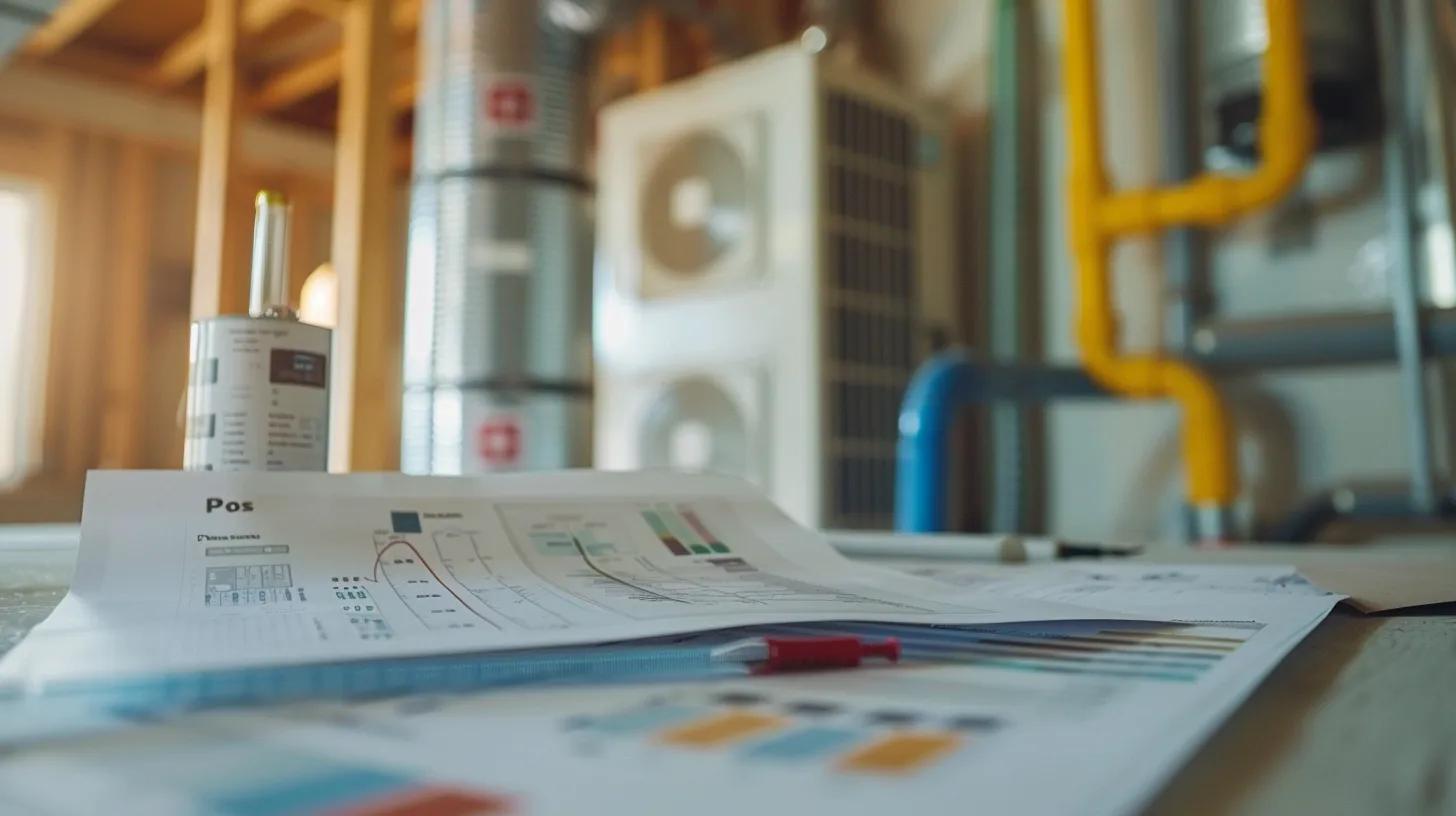
Solution | Typical upfront cost | Typical payback period | Incentive availability |
|---|---|---|---|
Solar thermal | Moderate to high | 5–15 years | Often available (rebates/tax credits) |
Geothermal (ground-source) | High | 7–20 years | Frequently eligible for substantial incentives |
Air-source heat pump | Moderate | 3–10 years | Widely incentivized in many programs |
Air-source heat pumps often have shorter payback in moderate climates, while geothermal offers high efficiency with a larger upfront investment. Incentives and site suitability heavily influence decisions.
How Do Renewable Heating Options Like Solar and Geothermal Work?
Solar thermal systems collect sunlight to heat a transfer fluid for domestic hot water or space heating, reducing fossil-fuel or electric demand. They require good solar access and storage. Geothermal (ground-source) heat pumps extract steady subsurface temperatures via buried loops for highly efficient heating and cooling. Air-source heat pumps move heat between outdoor air and the interior, with modern advances improving cold-weather performance. Each system‘s suitability depends on climate, site conditions, and available incentives.
What Government Rebates and Energy Audits Are Available for Homeowners?
Financial incentives include rebates, tax credits, and low-interest financing for insulation, heat pumps, and whole-home retrofits. Homeowners should research national and local programs. An energy audit typically includes a blower-door test, combustion safety checks, thermal imaging, and a prioritized list of measures with estimated savings and payback. Prepare for an audit by gathering utility bills and noting comfort issues. Audit findings, combined with incentives, maximize the financial feasibility of advanced heating upgrades.
How Can You Understand and Manage Your Utility Bills to Reduce Winter Heating Costs?
- Compare normalized monthly consumption to detect trends and measure retrofit impact.
- Ask the utility about rate plans and time-of-use options that could lower costs.
- Track pre- and post-measure usage to verify savings from sealing, insulation, or controls.
Conclusion
To Reduce winter heating costs is achievable through a combination of smart thermostat settings, effective insulation, and regular HVAC maintenance. By implementing these strategies, homeowners can enhance comfort while significantly saving heating bills winter. For further insights and tailored solutions, explore our comprehensive resources on energy efficiency. Start your journey towards a more cost-effective winter today.