

Local HVAC Experts for Quick Repairs You Can Trust: Fast, Reliable, and Certified Service Near You
A sudden loss of heating or cooling disrupts home comfort. This guide explains how to identify urgent HVAC failures, what trusted local HVAC experts do to diagnose and repair systems quickly, and how preventative maintenance reduces future costs.

You’ll learn which trust signals to prioritize, like certifications, transparent pricing, and written warranties, and how local expertise shortens response times. The article covers emergency 24/7 services, AC and furnace troubleshooting, maintenance plans, and practical steps for finding and contacting fast, reliable technicians.
Why Choose Local HVAC Experts for Your Repair Needs?
Local HVAC experts deliver faster, more relevant repairs due to their understanding of regional climate effects, common system types, and local code requirements. This proximity shortens parts sourcing and enables technicians to apply repairs that account for humidity or seasonal loads, improving long-term system reliability. Local providers also offer accountability through repeatable service areas, allowing customers to verify reviews and follow up on warranties more easily.
What Certifications and Trust Signals Should You Look For?
Prioritize verifiable credentials such as industry certifications (e.g., NATE), EPA refrigerant handling compliance, clear insurance and licensing statements, and documented warranties for parts and labor. Customer reviews citing punctuality, transparent pricing, and post-repair follow-up are strong trust signals, especially when paired with visible credentials.
How Does Transparent Pricing Build Customer Confidence?
- Knowledge of regional failure modes that improves diagnostic accuracy.
- Easier verification of credentials, reviews, and warranty fulfillment.
What Trusted HVAC Repair Near Me Are Available 24/7?
Emergency HVAC services cover complete system failures, unsafe conditions, and issues threatening health or property, aiming to restore safe operation quickly. Common offerings include overnight heating restoration, emergency AC repair during extreme heat, gas or refrigerant leak response, and electrical fault isolation. Providers often triage calls to prioritize life-safety issues and dispatch technicians within published response windows.
| Brand | SEER2 Rating Range | Warranty Coverage | Key Strength |
|---|---|---|---|
| Lennox | 14–23 | 10-year limited | High-efficiency models |
| Carrier | 13–22 | 10-year parts | Quiet operation |
| Trane | 14–22 | 10-year limited | Robust durability |
| Rheem | 13–20 | 10-year parts | Value-oriented solutions |
| American Standard | 14–24 | 10-year limited | Precise comfort control |
What Are the Common Signs You Need Emergency HVAC Repair?
Certain symptoms indicate emergencies and warrant an immediate call to a local HVAC expert due to safety or damage risks. Smelling gas, loud metallic grinding, persistent burning odors, or repeated short-cycling with system shutdown require urgent attention. Total loss of heat in freezing conditions or loss of cooling during extreme heat also counts as emergencies. Follow basic safety steps, shut off power if electrical smoke is present and evacuate if you suspect a gas leakthen contact emergency services.
Why Is 24/7 HVAC Repair Service Essential for Home Comfort?
Around-the-clock trusted HVAC repair near me protects occupants from acute hazards like freezing pipes in winter or heat-related health risks in summer, and prevents secondary damage like mold growth. For vulnerable residents, immediate repair is a necessity. Fast intervention also preserves equipment life by stopping cascading failures that escalate repair costs.
- Emergency heating restoration for no-heat situations during cold weather.
- Emergency air conditioning repair during excessive indoor heat.
- Leak and odor response for suspected gas or refrigerant leaks.
How Do Trusted Local AC Repair Experts Fix Cooling System Issues?
AC Problem | Symptoms | Technician Action |
Low cooling capacity | Reduced chilled air, long run cycles | Check refrigerant charge, inspect coils, test compressor; repair leaks and recharge if needed |
Water leaking indoors | Puddles near the indoor unit, humidity rise | Clear condensate drain, inspect pan, repair drain or replace float switch |
Loud compressor noise | Grinding or clanking outside | Isolate electrical/mechanical faults, test bearings/mounts, and replace the compressor if seized |
No airflow | Weak or no airflow from vents | Inspect blower motor/capacitor, clear vents/ducts, replace faulty motor components |
What Are the Most Common AC Problems and Their Solutions?
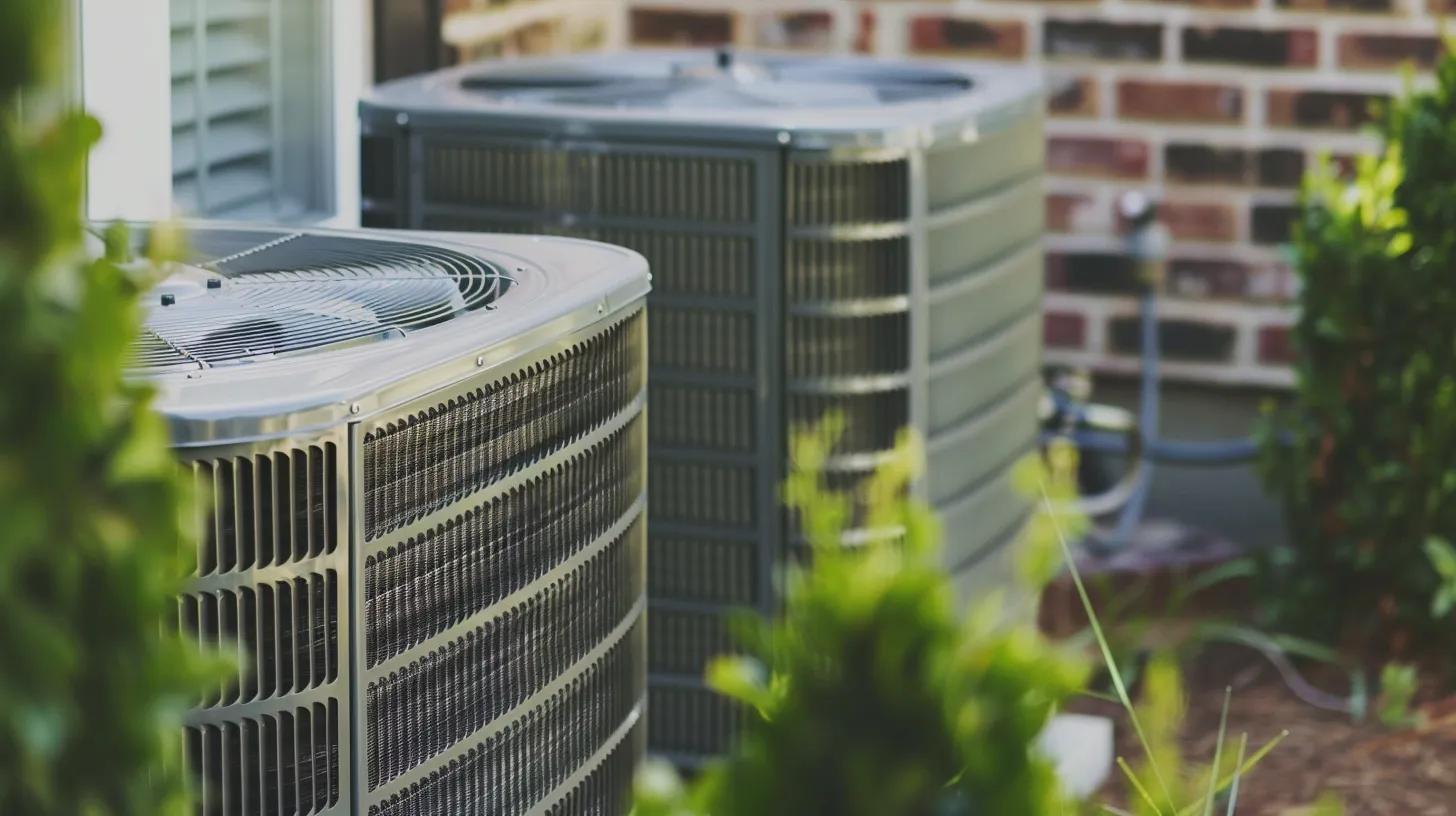
Common AC issues include reduced cooling, refrigerant leaks, frozen evaporator coils, noisy compressors, and condensate leaks. Technicians typically start with airflow and coil inspections, then measure refrigerant pressure and electrical loads. Homeowners can check dirty filters or reset breakers. If problems persist, especially with refrigerant or electrical faults, call a certified technician.
How Does Fast AC Repair Save Energy and Reduce Costs?
Prompt repair restores designed airflow, correct refrigerant levels, and efficient compressor cycling, reducing energy consumption by 10–30%. This translates into significant monthly cost differences. Fast HVAC repair services prevent additional stress on other components, delaying costly replacements. Timely service pays back through lower utility bills and fewer major repairs.
What Should You Know About Trusted Furnace Repair Services?
Furnace Issue | Warning Signs | Urgency/Action |
Ignition failure | Repeated failed starts or delayed ignition | High urgency; requires the technician to inspect the ignition system and the gas valve |
Cracked heat exchanger | Soot, rust, or CO detector alerts | Immediate action: stop using the furnace and call a professional |
Frequent cycling | Short on/off cycles, temperature swings | Prompt service recommended to check thermostat, airflow, and safety controls |
Strange odors | Persistent burning or chemical smells | High priority; investigate for electrical or combustion problems |
What Are the Benefits of Using Certified Furnace Repair Experts?
How Do Local Furnace Repairs Ensure Compliance with Building Codes?
Local HVAC experts know which repairs or replacements trigger permits and inspections and can guide you through compliance steps to avoid liabilities. Examples include changes to venting or major gas line alterations. Asking a technician about permits and inspection coordination before work starts verifies their understanding of local code expectations.
| Cost Driver | Impact | Typical Range |
|---|---|---|
| System Capacity | Larger BTU units cost more | $2,500–$6,000 |
| Brand and Efficiency | Premium models cost 10–25% more | — |
| Ductwork Condition | Repairs or replacements | $500–$3,000 |
| Additional Features | Smart thermostats, purifiers | $200–$1,200 |
How Can Preventive HVAC Maintenance Prevent Costly Repairs?
Regular preventative maintenance reduces unexpected breakdowns by keeping components clean, lubricated, and properly adjusted, preserving efficiency and extending equipment life. Maintenance visits catch small issues, like worn belts or failing capacitors, before they lead to major failures. A structured maintenance plan also documents service history, supporting warranty claims and resale value.
Maintenance Plan | Frequency Tasks | Benefits / Estimated Savings |
Basic | Annual filter check and visual inspection | Lowers risk of minor failures; modest energy savings |
Standard | Biannual tune-up, coil cleaning, refrigerant check | Reduces breakdown risk and improves efficiency; medium savings |
Premium | Quarterly inspections, priority scheduling, and indoor air quality services | Maximizes reliability, priority emergency response, and the highest long-term savings |
How Does Regular Maintenance Improve HVAC System Efficiency?
What Is the Typical Process for Quick and Trusted HVAC Repairs?
A streamlined repair process begins with prompt remote triage, collects essential system details, and schedules a prioritized on-site diagnosis. On arrival, technicians perform systematic diagnostics, visual inspection, airflow measurement, electrical testing, and refrigerant or combustion analysis before presenting clear repair options and costs. Once authorized, repairs are executed with post-repair testing and cleanup. Reputable providers document warranties and recommended follow-up maintenance.
How Do Technicians Diagnose HVAC Problems Efficiently?
What Can Customers Expect During the Repair Service?
How Are Repair Warranties and Guarantees Provided?

How Can You Find and Contact Local HVAC Experts for Fast Repairs?
- Use map searches and “trusted HVAC repair near me” with neighborhood or zip modifiers.
- Check business profiles for explicit 24/7 emergency availability, certifications, and transparent pricing.
- Read recent, detailed customer reviews that reference punctuality, clear estimates, and warranty follow-up.
- Prepare system information and symptom descriptions before calling to shorten dispatch time.
What Are the Contact Options for 24/7 Emergency HVAC Service?
- Use online booking if the situation is non-critical and you prefer written confirmation.
- Prepare system details and ask for written estimates and warranty terms upon dispatch.