

Local HVAC Installation Process: What to Expect & How to Prepare for Your HVAC Installation Services
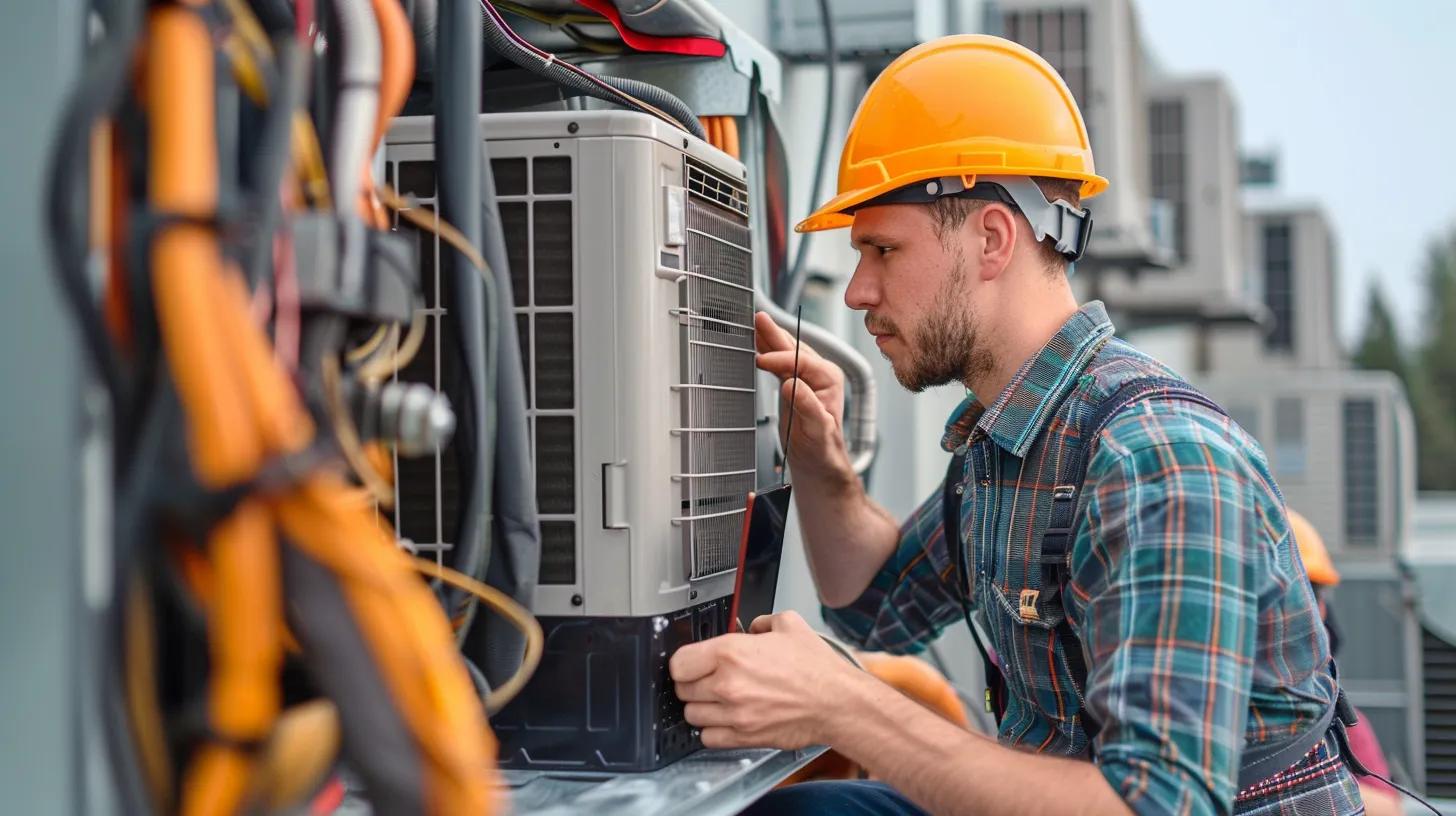
Installing a new heating and cooling system can feel overwhelming without clear guidance. This comprehensive guide clarifies every step of the local HVAC installation process, helping homeowners minimize surprises and ensure their property is ready. You will learn typical installation stages from initial home assessment through system testing and post-installation walkthrough.
Understanding what to expect hvac install will make the entire experience smoother.
By the end, you’ll understand how to prepare, what happens during service, and when to seek professional support, ensuring optimal energy efficiency, safety, and peace of mind.
What Are the Typical Steps in the Local HVAC Installation Process?
This installation process involves an initial home assessment, removal of existing equipment, site preparation, installation of new indoor and outdoor units, ductwork modifications, refrigerant charging, system calibration, and a final testing and walkthrough. These steps ensure correct system sizing, optimized energy use, and compliance with safety standards. Accurate load calculations, for instance, prevent oversizing that can lead to short cycling and high utility bills.
How Is the Initial Home Assessment and HVAC System Sizing Performed?
Correct heating and cooling system sizing begins with a load calculation (Manual J), measuring factors like square footage, insulation levels, window placement, and local climate. Technicians collect home dimensions and inspect insulation ratings to determine heating and cooling requirements. This ensures the selected system delivers consistent comfort without excessive energy use.
What Happens During HVAC Installation Day? What to Expect HVAC Install
How Much Does HVAC Installation Cost and What Financing Options Are Available?
The installation process cost varies widely based on system type, home size, efficiency rating, and local labor rates, averaging $10,000-$15,000 for standard-efficiency systems. Financing options and rebates can offset these upfront expenses, making high-efficiency equipment more accessible and improving long-term energy savings.
| Brand | SEER2 Rating Range | Warranty Coverage | Key Strength |
|---|---|---|---|
| Lennox | 14–23 | 10-year limited | High-efficiency models |
| Carrier | 13–22 | 10-year parts | Quiet operation |
| Trane | 14–22 | 10-year limited | Robust durability |
| Rheem | 13–20 | 10-year parts | Value-oriented solutions |
| American Standard | 14–24 | 10-year limited | Precise comfort control |
What Factors Influence HVAC Installation Costs? What to Expect HVAC Install
- Equipment type and efficiency rating (SEER, AFUE) determine base unit pricing.
- Home size and layout complexity influence labor hours and ductwork modifications.
- Refrigerant transition requirements (R-410A phase-out to R-32/R-454B) add material costs.
- Local permit fees and building code compliance steps can vary city to city.
These variables combine to create a customized estimate.
What Are the Average Price Ranges for Different HVAC Systems?
Below is a comparison of typical installation costs:
System Type | Installation Range | Typical Application |
Central Air Conditioning | $6,000 – $11,500 | Single-family homes with ductwork |
Heat Pump | $8,500 – $14,000 | Homes seeking combined heating and cooling |
Ductless Mini-Split | $3,500 – $8,000 | Additions, zoned rooms, and small dwellings |
Which Financing Options and Rebates Can Homeowners Use?
What Are the Benefits of Professional HVAC Installation Services? What to Expect HVAC Install
Professional HVAC installation delivers precise system sizing, regulatory compliance, and peace of mind. Proper installation reduces energy usage, maximizes equipment lifespan, safeguards warranties, and prevents safety hazards from common homeowner errors.
Why Is Hiring a Certified HVAC Technician Important?
Hiring a certified technician for your local HVAC process ensures adherence to local building codes, correct refrigerant handling, and safe electrical connections. Certification bodies set rigorous standards for hvac installation services best practices and safety protocols, protecting occupants and property. Only certified professionals, for example, may legally apply newly approved low-GWP refrigerants.
How Does Professional Installation Improve Energy Efficiency and System Lifespan?

Expert installation promotes balanced airflow and optimized refrigerant charge, directly enhancing energy efficiency by up to 30 percent compared to DIY or inexperienced work. Proper duct sizing and sealing prevent air leaks, ensuring consistent temperatures and reducing wear on components. An extended equipment lifespan translates into thousands of dollars in avoided replacement costs.
What Warranty and Guarantee Protections Should Customers Expect?
How Can Professional Installation Help Avoid Common Mistakes? What to Expect HVAC Install
Professional installers follow safety checklists that prevent electrical faults, gas leaks, and improper refrigerant charging—common causes of heating and cooling system failures and hazards. Technicians use calibrated instruments to verify safe operation parameters. Avoiding these mistakes reduces emergency repair calls and ensures reliable performance.
| Cost Driver | Impact | Typical Range |
|---|---|---|
| System Capacity | Larger BTU units cost more | $2,500–$6,000 |
| Brand and Efficiency | Premium models cost 10–25% more | — |
| Ductwork Condition | Repairs or replacements | $500–$3,000 |
| Additional Features | Smart thermostats, purifiers | $200–$1,200 |
How Long Does HVAC Installation Typically Take?
A standard residential HVAC installation services project usually spans two to four days from assessment to final inspection, depending on system complexity and home readiness. Clear scheduling expectations help homeowners plan around service visits and temporary discomfort.
Average Duration for Standard HVAC Installations?
System Type and Home Complexity Affect Installation Time?
Complex projects—such as geothermal heat pump setups or homes with intricate multi-zone ductwork—can extend timelines by an additional 2–4 days for excavation, specialized piping, and permit inspections. Older homes may require asbestos or lead testing before duct access, further adding to scheduling. Simple ductless splits often finish more quickly.
What Factors Can Cause Delays During Installation?
What Are the Different HVAC System Types and Their Installation Considerations?
What Should You Know About Central Air Conditioning Installation?
How Does Heat Pump Installation Differ from Other Systems?
What Are the Benefits and Installation Steps for Ductless Mini-Split Systems?
How Is Smart HVAC Technology Integrated During Installation?
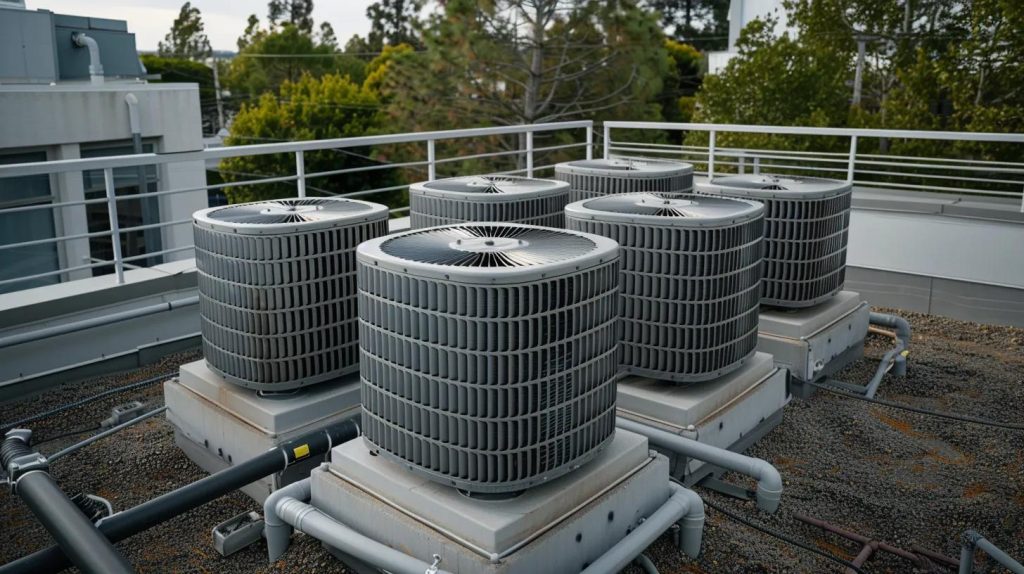
Below is a comparison of key installation considerations for each system type:
System Type | Duct Requirements | Major Step | Key Benefit |
Central Air Conditioning | Full duct network | Duct sealing and insulation | Balanced cooling throughout the home |
Heat Pump | Ducted or ductless | Line set installation | Dual heating and cooling function |
Ductless Mini-Split | No ductwork | Head unit mounting | Zoned comfort and quick install |
Smart HVAC Integration | Low-voltage wiring | Control system setup | Remote access and energy savings |
What Local Regulations and Permits Are Required for HVAC Installation?
Local regulations and permits ensure all HVAC installation services meet safety codes and environmental standards, protecting homeowners and neighborhoods. Understanding requirements before installation prevents project delays and fines.
Which Local Building Codes Affect the Installation Process?
Building codes dictate minimum ventilation rates, combustion air clearances, equipment clearance distances, and refrigerant handling standards. Municipal ordinances often reference the International Mechanical Code and require compliance with the latest refrigerant phase-out regulations, such as banning R-410A after January 1, 2025, for new heating and cooling system installations.
How Can Homeowners Obtain Necessary Permits?
Homeowners or contractors apply for permits at city or county building departments by submitting equipment specifications, system layout plans, and load calculation reports. Timelines range from 5 to 15 business days for review. Expedited services may be available for an additional fee.
Consequences of Non-Compliance with Local HVAC Regulations?
Operating without proper permits or code compliance can lead to stop-work orders, monetary fines, and difficulty securing insurance claims. Non-compliant installations may also void equipment warranties and expose occupants to safety hazards, such as carbon monoxide leaks or electrical fires, impacting the long-term reliability of your heating and cooling system.
When Should You Contact a Professional for Post-Installation Support? What to Expect HVAC Install
Contact a qualified technician if performance issues persist after basic troubleshooting or if warning indicators like unusual odors, water leaks, or system shutdowns occur. Professional support under warranty or labor guarantee ensures repairs use approved parts and adhere to safety standards.
Well-performed HVAC installation services bring lasting comfort and energy savings when homeowners and installers collaborate through each stage, from initial assessment and permitting to final testing and ongoing maintenance. By understanding how to prepare for your local HVAC installation process, you can ensure a smooth installation experience and enjoy reliable, efficient climate control for years to come.