
Professional Furnace Maintenance Services: Costs, Benefits, and Annual Care

Maintaining your home’s furnaceis critical for comfort, efficiency, and safety, especially during the colder months. Professional furnace maintenanceinvolves regular inspections and tune-ups by trained technicians, which help prevent unexpected breakdowns and improve energyefficiency. This comprehensive guide covers costs, benefits, essential maintenancetasks, and tips for choosing the right furnace maintenanceproviderto keep your systemrunning at its best.
Why Annual Furnace Maintenance Is Essential
Regular furnace maintenanceprotects your home, saves money, and ensures safety throughout the heatingseason. Annual visits allow technicians to detect small issues before they become costly, verify combustionsafety, and maintain consistent heatdistribution. Systems that are older, heavily used, or under warrantymay require semiannual visits, making yearly professionalinspections a crucial part of responsible homeownership.
When to Schedule Your Furnace Tune-Up
Scheduling maintenanceat the right time ensures your furnaceperforms efficiently when you need it most. A timely tune-up prepares the systemfor heavy winter use, reduces the risk of emergencybreakdowns, and improves energyefficiency. Understanding the ideal timing and serviceschedule allows homeowners to plan and avoid furnace maintenance service costsand last-minute repairs.
Fall Is the Ideal Time for Furnace Maintenance
Recommended Annual Service Schedule
- Pre-Season Tune-Up (Early Fall):Combustionsafety checks, burner cleaning, air filterinspection, and calibrationof controls to restore efficiency.
- Mid-Season Quick Check (Optional for High-Use Homes):Focused on airflow, filtercondition, and early detection of abnormal noises or wear.
- End-of-Season Visual Inspection:Evaluates systemwear, documents performance, and sets a baseline for the following year.
What a Professional Furnace Tune-Up Includes
Combustion and Heat Components
Airflow and Filtration
Controls and Safety Checks
Key Components Inspected During Maintenance
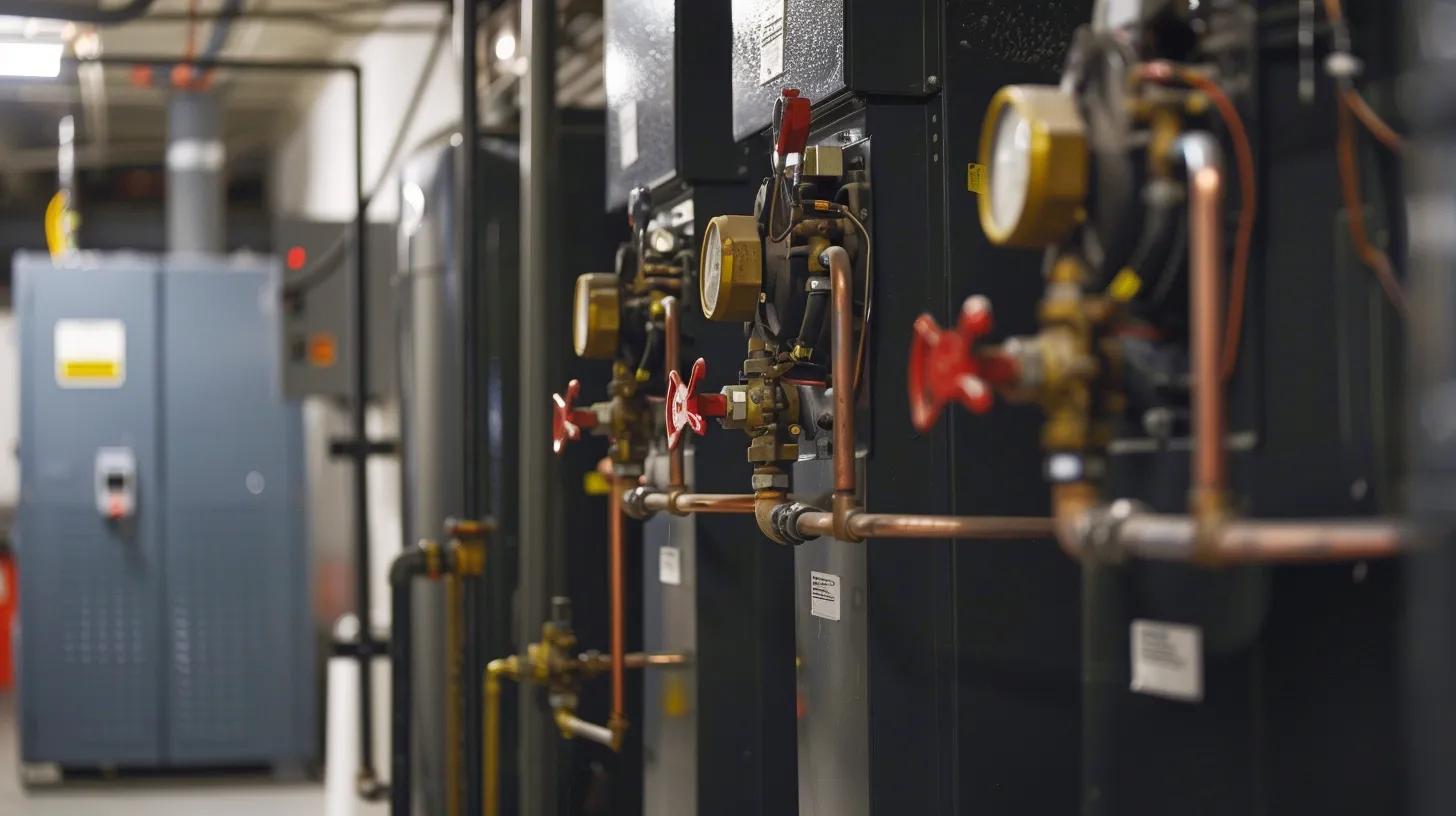
Heat Exchanger
The heat exchangeris inspected for cracks, corrosion, or other damage that could cause carbon monoxideleaks. Early detection prevents potential health hazards and ensures safe heating.
Burners and Ignition System
Burners are cleaned and flames inspected for proper quality to maintain efficient combustionand prevent incomplete fueluse.
Blower Assembly
The blower assembly is tested to maintain proper airflow, prevent overheating, and improve heattransfer efficiencythroughout your home.
Thermostat and Controls
Venting and Flue Pathways
Benefits of Professional Furnace Maintenance
Furnace Maintenance Service Cost
ServiceLevel | Included Tasks | Typical CostRange |
Basic Inspection | Visual inspection, filtercheck, safety test | $75–$150 |
Standard Tune-Up | Full inspection, burner cleaning, blower assessment, basic combustioncheck | $125–$250 |
Premium Service | Combustionanalysis, lubrication, priority scheduling, and detailed diagnostics | $200–$400 |
Factors Affecting Furnace Maintenance Costs
Safe DIY Furnace Maintenance Tasks
Homeowners can perform simple, low-risk tasks to support the efficiencyof their furnace. Professional furnace maintenancecomplements these DIY actions, but certain work should always be left to certified technicians.
- Replaceor clean airfilters monthly to quarterly
- Keeping the area around the furnaceclear of clutter
- Checking thermostatsettings and battery life
- Conducting visual inspections for leaks, unusual odors, or loose panels
Performing these tasks between professionalvisits can prevent common wearpatterns and improve systemlongevity.
When to Call a Professional Technician
- Flickering or yellow flames in a gas furnace
- Strange grinding or rattling noises
- Frequent cycling or inconsistent heatoutput
- Carbon monoxidedetector alerts
- Gas odors or suspected leaks
Prompt servicefrom a certified technician ensures safety, prevents furnace maintenance service costrepairs, and protects the long-term health of your furnace.
Choosing the Right Furnace Maintenance Provider
Selecting a reputable furnace maintenanceproviderensures reliable and high-quality service. Look for licensed and insured companies with trained, certified technicians. Clear servicedescriptions, transparent pricing, and documented maintenanceplans further demonstrate professionalism. Customer reviews and referrals provide insight into servicequality and reliability. Choosing the right provider ensures your furnaceoperates efficiently, safely, and under warrantyprotection.
Technician Qualifications and Certifications
- Certification in combustionanalysis, heat exchangerinspection, and gas safety
- Experience with multiple furnacebrands and fueltypes
- Ability to provide written reports and explain findings to homeowners
- Licensing and insurance to protect both the technician and the homeowner
Customer Reviews and Maintenance Plans
Customer reviews help homeowners evaluate the responsiveness, workmanship, and reliability of a furnace maintenanceprovider. Maintenanceplans provide predictable service, discounted repairs, and priority scheduling. Plans should clearly list included inspections, coverage limits, transferability, and cancellation terms to provide peace of mind and long-term value.
Schedule Your Professional Furnace Maintenance Today
Ensuring your furnaceruns safely and efficiently starts with regular professionalcare. Don’t wait for a breakdown or unexpected repair—schedule your professionalfurnace maintenancenow and enjoy reliable warmth all winter long.
- Extend the life of your heating system
- Reduce energycosts and prevent inefficiency
- Maintain a safe, comfortable home environment
- Avoid costly emergencyrepairs during peak winter months
Contact a certified technician today to request a furnace maintenance service, ask about maintenanceplans, or book an appointment that fits your schedule. Your home deserves reliable heating, and professionalmaintenanceensures your furnacedelivers peace of mind year after year.
FAQs About Furnace Maintenance
How long does a tune-up usually take?
Most professionalfurnace maintenancevisits last 45 minutes to 1.5 hours, depending on furnacetype and condition.
Can maintenance prevent all breakdowns?
No, but regular servicesignificantly reduces unexpected failures and ensures systemefficiency.
Are air filters that important?
Yes. Clean filters improve airflow, protect the blower, and maintain systemperformance.
Is it safe to skip a year of maintenance?
Skipping serviceincreases energycosts, systemstrain, and risk of expensive repairs.
How can I tell if my furnace is working efficiently?
Stable indoor temperatures, quiet operation, and consistent energybills are good indicators.