
Top Furnace Urgent Repair Signs You Should Never Ignore

Immediate Safety Furnace Urgent Repair Signs of Problems
-
A yellow, flickering, or sooty pilot light/burner flame signals incomplete combustion and possible carbon monoxide production.
-
A persistent rotten-egg or gas-like smell indicates a natural gas leak or a failing gas valve.
-
Activation of a carbon monoxide detector while the furnace is running is a high-priority emergency requiring evacuation and service.
What Should You Do If Your Furnace Smells Like Gas?
A gas smell (sulfurous/rotten-egg) is an immediate emergency and says furnace needs repair now. Do not switch electrical devices or create sparks; evacuate immediately. From a safe distance, call your gas utility emergency number or local emergency services. Avoid re-entering until declared safe. If instructed and safe, shut off the furnace’s gas valve. Note any associated symptoms (dizziness, headache) and CO detector activation for the dispatcher.
|
Sign
|
Likely Component / Mechanism
|
Urgency & Recommended Action
|
|---|---|---|
|
Yellow or flickering flame
|
Incomplete combustion from dirty burners, blocked air, or improper gas/air mix
|
High urgency: ventilate, evacuate if symptoms/CO alarm; stop furnace and call technician
|
|
Strong gas odor
|
Gas leak from pipe, fitting, gas valve, or loose connection
|
Highest urgency: evacuate, do not use electronics, notify gas utility/emergency services
|
|
Carbon monoxide detector alarm
|
CO entering living space via cracked heat exchanger or flue leak
|
Highest urgency: evacuate, call emergency services, have professional inspect heat exchanger
|
|
Visible soot or black stains near burners/exhaust
|
Poor combustion, failing burner assembly or blocked flue
|
High urgency: power down furnace, schedule immediate inspection
|
|
Excessive corrosion or rust on heat exchanger/flue
|
Structural failure allowing exhaust leakage
|
High urgency: discontinue furnace operation and seek professional replacement/repair
|
Recognizing Furnace Heating Performance Issues
Common homeowner checks signs of furnace breakdown:
-
Ensure thermostat is set to heat and above room temperature; check batteries.
-
Inspect the air filter for heavy dirt or blockage, which restricts airflow and can cause overheating or no-heat.
-
Verify circuit breaker and furnace power switch are on; check condensate drain on high-efficiency units.
Cold Air or Short Cycling
Unusual Furnace Noises and Visual Signs
Specific sounds and visible residues map to mechanical faults and safety risks. Popping/banging may indicate delayed ignition, screeching a failing blower bearing, and rattling loose panels. Soot, water pooling, or unusual dust can reveal combustion inefficiency, condensate problems, or compromised filtration. Interpreting these cues aids quick safety decisions and precise symptom description for technicians.
-
Banging or loud popping indicates delayed ignition or combustion timing issues, requiring immediate inspection due to flame instability.
-
Screeching or squealing usually signals a failing blower motor bearing or belt, needing prompt service to avoid motor burnout.
-
Visible soot, oily residues, or black dust near the burner/grate indicates combustion problems and potential CO risk, needing urgent evaluation.
Water Leaks and Excessive Dust
Water leaks often stem from condensate drain failures or corrosion/cracks near the heat exchanger. Pooling water accelerates corrosion and indicates blocked drains or cracked housings. Excessive dust/soot inside the furnace/ducts points to filtration failure, combustion inefficiency, or a compromised heat exchanger. Diagnose by tracing leaks, inspecting condensate trap/line, and checking filter/duct seals. Contain leaks; turn off the system if water reaches electrical components. If leaks are near the heat exchanger or soot is present, contact a professional immediately.
Rising Energy Bills and Frequent Repairs: When to Consider Replacement
Rising energy bills and repeated furnace needs repair now are financial symptoms of declining efficiency or aging equipment, often due to corrosion, degradation, poor combustion, or failing blower motors. Furnaces typically lose efficiency after a decade. Frequent major repairs can make replacement more economical. Use a repair-versus-replace matrix considering age, cumulative costs, and efficiency gains.
|
Furnace Age or Issue
|
Typical Repair Cost Impact / Efficiency Impact
|
Recommended Action
|
|---|---|---|
|
Under 10 years with single component failure
|
Moderate repair cost; efficiency typically retained
|
Repair and monitor; consider preventive maintenance
|
|
10–15 years with multiple repairs
|
Rising cumulative repair costs and moderate efficiency loss
|
Compare repair cost to replacement estimate; consider replacement if major components fail
|
|
Over 15 years or heat exchanger failure
|
High replacement probability; significant efficiency decline
|
Favor replacement due to safety and long-term savings
|
|
Frequent repairs (3+ in 12 months)
|
High cumulative cost; increased downtime
|
Obtain multiple estimates and strongly consider replacement
|
High energy bills result from reduced combustion efficiency, heat exchanger fouling, clogged filters, or inefficient blower motors. A fouled heat exchanger or poor burner tuning forces longer run times, increasing fuel consumption. Frequent furnace urgent repair signs occur when cumulative costs approach a substantial fraction of replacement cost, especially for units over 15 years. A single repair nearing 50% of replacement cost, or repeated critical component failures, often makes replacement safer and more efficient. Obtain multiple estimates, consider energy savings from modern units, and weigh safety/comfort for an objective decision.
When to Call a Professional for Urgent Furnace Repairs
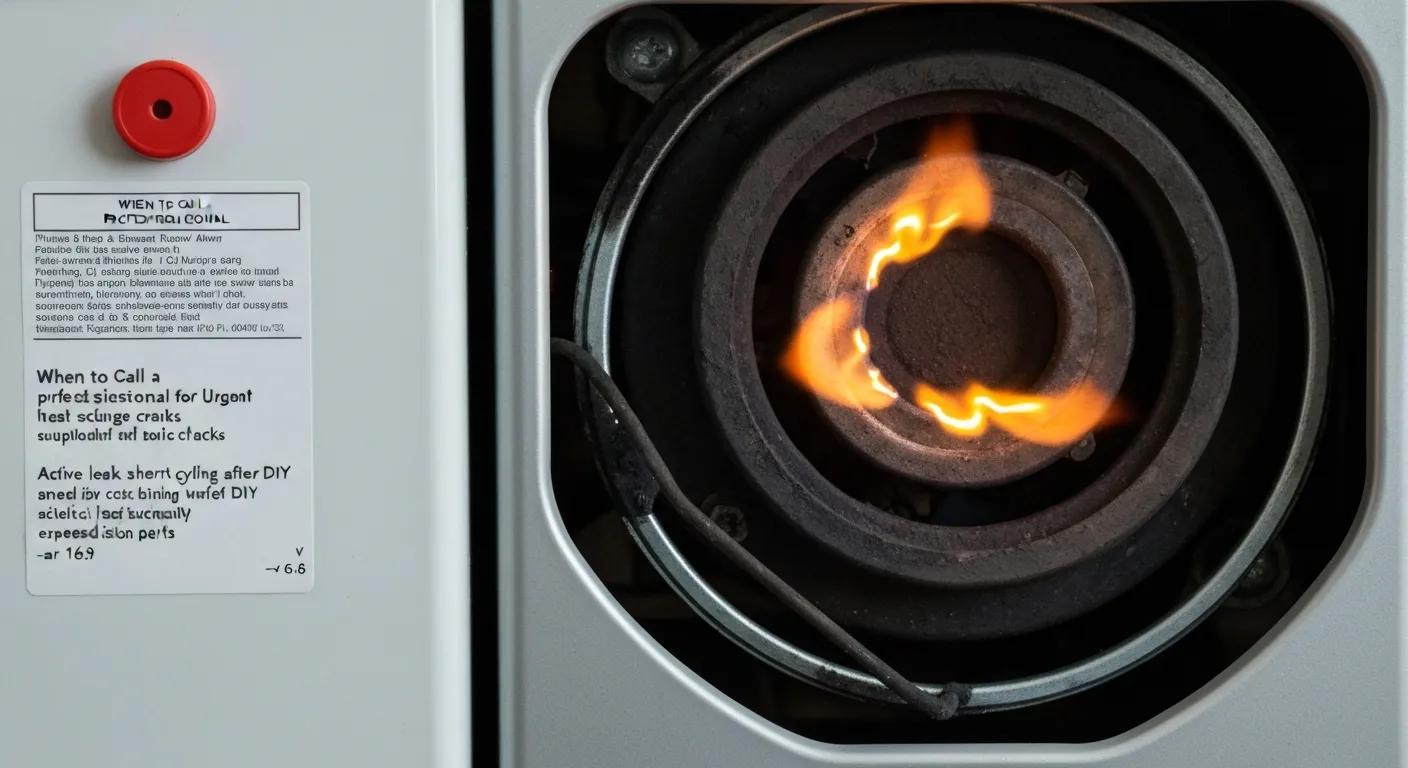
Call a professional immediately for the following furnace urgent repair signs: carbon monoxide alarms, gas smells, suspected heat exchanger cracks, flame irregularities, persistent short cycling after basic checks, and active leaks near combustion components. These involve combustion safety or structural elements unsafe for DIY. Homeowners can safely perform limited troubleshooting like filter changes, resetting breakers, or swapping thermostat batteries, but must stop and call a pro at the first sign of gas odor, CO alarm, electrical burning smell, or exposed combustion parts.
-
The carbon monoxide alarm is sounding while the furnace is running is one of the signs of furnace breakdown.
-
Any persistent natural gas odor in the house.
-
Visible flame irregularities or heavy soot buildup around burners.
DIY Troubleshooting & Emergency Steps
Preventive Maintenance
Regular maintenance prevents urgent furnace repair signs by keeping components clean, ensuring proper airflow, verifying safety controls, and catching early corrosion/cracks. Annual professional tune-ups include burner cleaning, heat exchanger inspection, flue evaluation, gas-pressure checks, and safety-control testing. Homeowner maintenance (filter changes, clear registers, thermostat batteries) reduces component stress. These tasks detect defects that could cause CO, fires, or instability, extending lifespan and efficiency. Schedule tune-ups before heating season; homeowners should replace filters quarterly, keep the furnace area clear, and test CO detectors monthly. Documented maintenance provides a safety record and reduces unexpected failures and energy bills.
-
Annual professional inspection: Comprehensive safety and combustion testing to detect cracks, leaks, and inefficiencies.
-
Regular filter changes: Prevents airflow restriction, overheating, and short cycling.
-
Clear vents and returns: Ensures balanced airflow and reduces blower strain.
Your Furnace's Health is Your Home's Safety
Frequently Asked Questions About Furnace Urgency
What’s the most critical sign of a furnace problem?
The most critical signs are a persistent gas odor, activation of a carbon monoxide detector, or a yellow/flickering pilot light. These indicate immediate safety risks like gas leaks or CO production and require immediate evacuation and professional help.
Can I fix a furnace problem myself?
You can safely troubleshoot minor issues like changing air filters, checking thermostat batteries, or resetting a tripped circuit breaker. However, for any issues involving gas, combustion, electrical burning smells, or internal components, always call a licensed professional to ensure safety.
How often should I have my furnace professionally inspected?
An annual professional inspection, ideally before the heating season, is highly recommended. This helps detect potential issues early, ensures efficient operation, and prevents urgent breakdowns, extending your furnace‘s lifespan and maintaining safety.
When should I consider replacing my furnace instead of repairing it?
Consider replacement if your furnace is over 15 years old, if a single repair costs more than 50% of a new unit, or if you’re experiencing frequent breakdowns (3+ in 12 months). A new, energy-efficient furnace can offer better safety, reliability, and long-term savings.