

High-SEER2 central air conditioners, hybrid heat pumps, ductless mini-splits, and smart thermostats are the systems that improve home energy efficiency the most. The right HVAC installation for your home depends on your ductwork, layout, and how you use each room, so no single system fits every house.
At Boise Valley Heating & Air, our team walks homeowners through different residential HVAC solutions to help them understand their options and choose an efficient system for their home.
What Are the Most Energy-Efficient HVAC System Types?
Not every upgrade delivers the same efficiency gain. As an HVAC contractor working across the Treasure Valley, we typically discuss four common HVAC options and efficiency upgrades, depending on the home .
- High-efficiency furnace and central AC systems – a practical option for homes with existing ductwork that need both heating and cooling, with an efficient AC selected based on its SEER2 rating.
- Hybrid heat pumps – heat and cool from one system, switching to gas backup only when temperatures drop low enough to need it
- Ductless mini-splits – suited to additions, ADUs, or rooms without ductwork, with zone-specific temperature control
- Smart thermostats – paired with any of the above, adding further savings through scheduling and usage tracking
As a full-service HVAC company, we install and service all of these system types, so the recommendation is sized to your home’s layout, not a one-size-fits-all package.
How Do Heat Pumps Compare to Traditional Furnaces?
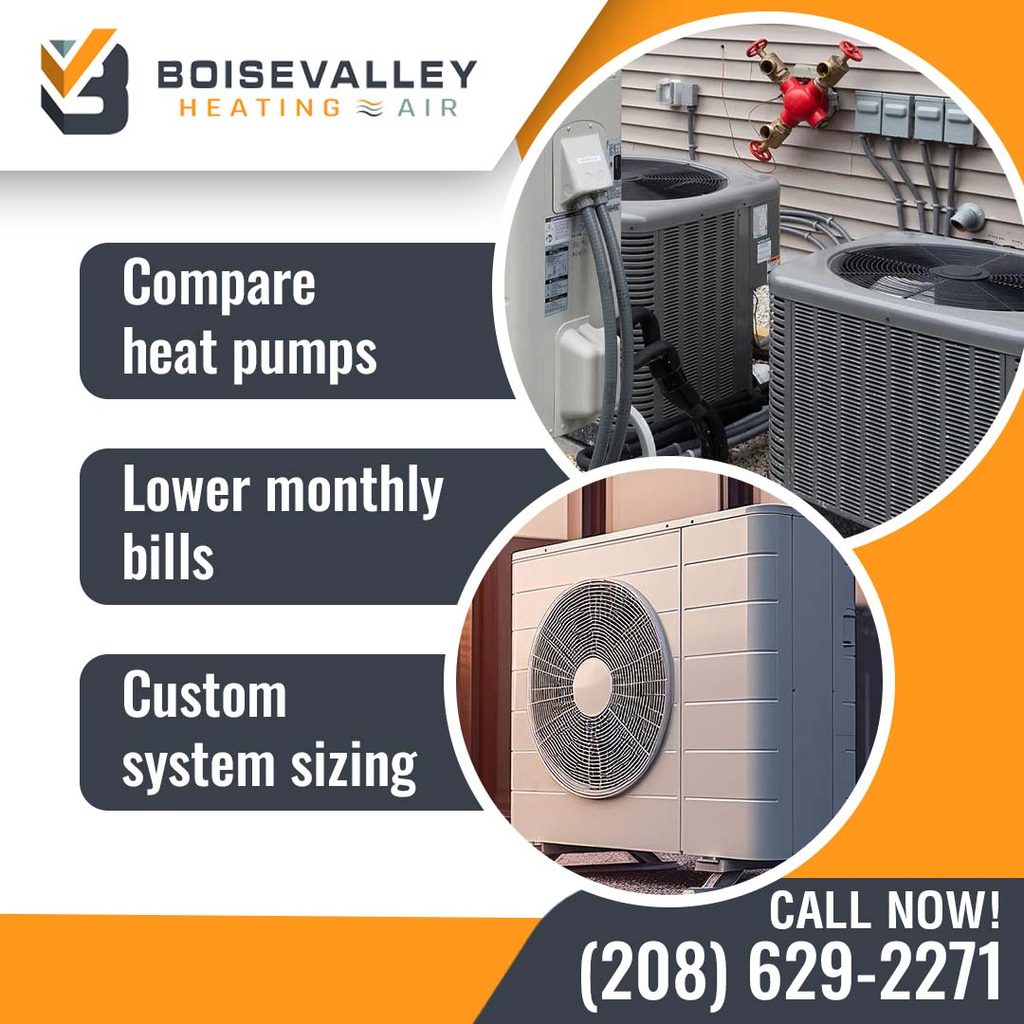
Heat pumps use electricity to move heat rather than generate it, which makes them more efficient than a standard gas furnace in most Idaho winters.
A hybrid heat pump automatically switches to gas backup only during the coldest stretches, so homeowners get efficiency most of the year with reliable backup when temperatures drop.
Traditional furnaces still make sense for some homes, particularly where gas rates are lower than local electricity rates or where existing ductwork is already optimized for forced-air heating. HVAC solutions should be chosen based on your specific utility rates and home setup, not a blanket recommendation.
When Does a Ductless Mini-Split Make More Sense Than Central Air?
Ductless mini-splits work best when ductwork isn’t practical or doesn’t already exist. Common situations include:
- Room additions built after the original ductwork was installed
- Accessory dwelling units (ADUs) or garage conversions
- Older homes where installing new ducts would be costly or disruptive
- Homes where different rooms need different temperatures at different times
Because each indoor unit operates independently, mini-splits avoid the energy waste of heating or cooling empty rooms, which is a common source of inefficiency in central systems.
What Role Does a Smart Thermostat Play in Efficiency?
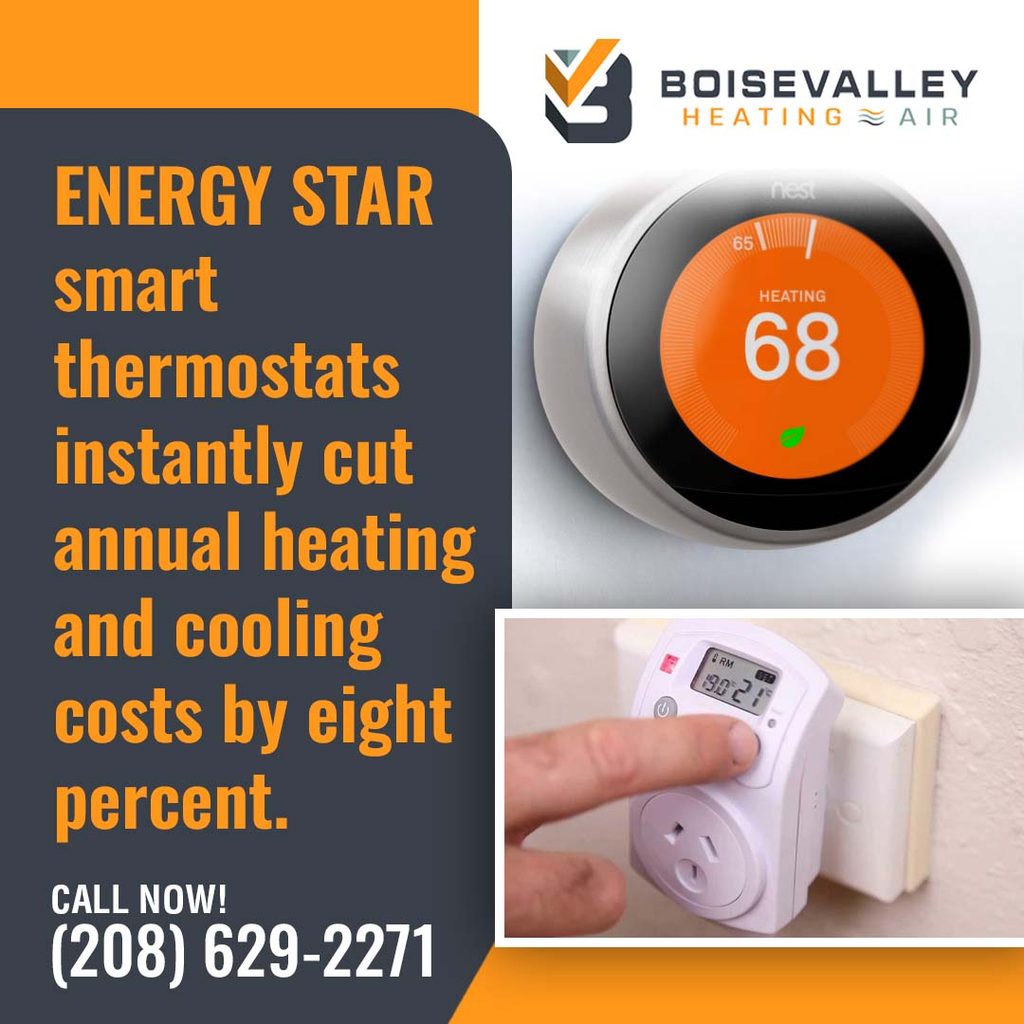
A smart thermostat doesn’t replace your HVAC system, but it improves how efficiently that system runs. It learns your schedule, adjusts temperatures automatically when you’re away, and can be controlled remotely.
Paired with any of the systems above, an ENERGY STAR-certified smart thermostat can help save approximately 8% on heating and cooling costs, without changing your HVAC equipment.
Working with an efficient team for HVAC installation matters. Correct placement and calibration affect how accurately a smart thermostat reads and responds to your home’s actual temperature.
Frequently Asked Questions
Can I mix system types in one home, like a mini-split for an addition and central air elsewhere?
Yes, this is common in homes with additions or converted spaces. Each system operates independently, so there’s no compatibility issue.
Do heat pumps work well in cold Idaho winters?
Modern hybrid heat pumps perform well in Idaho winters because they switch to gas backup automatically when temperatures drop below their efficient operating range.
How do I know which system size I need?
System size depends on square footage, insulation, ceiling height, and window placement. A proper load calculation, not a generic sizing chart, determines the right fit.
Explore Your Energy-Efficient HVAC Options
Choosing the right energy-efficient system depends on your home’s layout, existing ductwork, and comfort goals. At Boise Valley Heating & Air, our team offers free estimates for homeowners across Treasure Valley, backed by over 15 years of local HVAC experience.
Contact our team of local HVAC experts in Nampa at (208) 629-2271 or contact@boisevalleyhvac.com to find the system that fits your home.